Song Meaning
The lyrics paint a stark picture of resignation, personifying the "river" as a conversational partner, perhaps representing fate or an indifferent natural force. The narrator, feeling a "hollow weight" despite the "fight ebb away," engages in a dialogue that feels less like a genuine exchange and more like a ritualistic acceptance of a grim reality. The initial scene of sitting down for a drink with the river sets a tone of weary contemplation, immediately establishing a sense of isolation and introspection. The narrator's wry smile and the river's pronouncements suggest a shared, albeit bleak, understanding of their existence.
The central tension lies in the narrator's passive acceptance of inevitable loss and erosion, mirrored by the river's destructive power. The river's declaration, "when you're gone I won't think of you," is met with a defiant "make my day," a phrase repeated with a chilling lack of genuine enthusiasm. This exchange highlights a deep-seated weariness, where even the prospect of being forgotten or destroyed is met with a resigned, almost sarcastic, acceptance. The narrator seems to be grappling with a profound sense of futility, acknowledging that their struggles are ultimately insignificant against the forces that shape them.
The most striking craft element is the recurring motif of "islands," which the narrator claims they and the river are, "after all." This metaphor is powerfully reinforced by the river's action of "flooded the land without thought" and the final declaration, "We are. Islands." This imagery suggests isolation, separation, and a fundamental inability to connect or escape one's inherent state. The narrator's self-description as being "made of broken boards / And knots and ties and lies" further emphasizes a sense of fragmentation and inherent flaw, making the "island" metaphor resonate with a feeling of being adrift and incomplete.
Ultimately, these lyrics hit hard because they articulate a profound sense of existential weariness and the quiet despair of recognizing one's own insignificance. The narrator's "over thinking, over drinking" and "putting days down to delay the feeling" are presented not as active choices but as symptoms of a deeper malaise. The final image of "islands" leaves the listener with a potent sense of isolation, a feeling that despite our attempts to connect or delay the inevitable, we are fundamentally alone, subject to forces beyond our control, much like the river erodes everything and leaves us "high and dry."
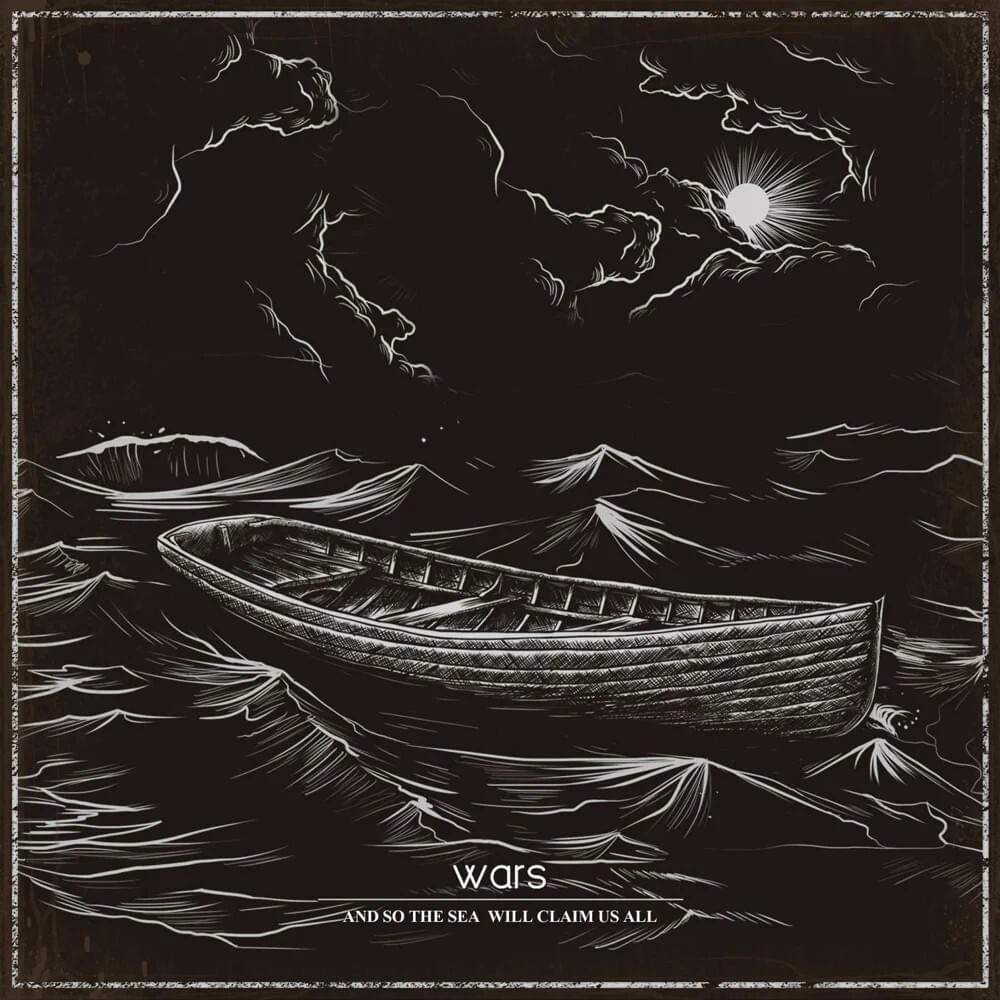
 View Artist