Song Meaning
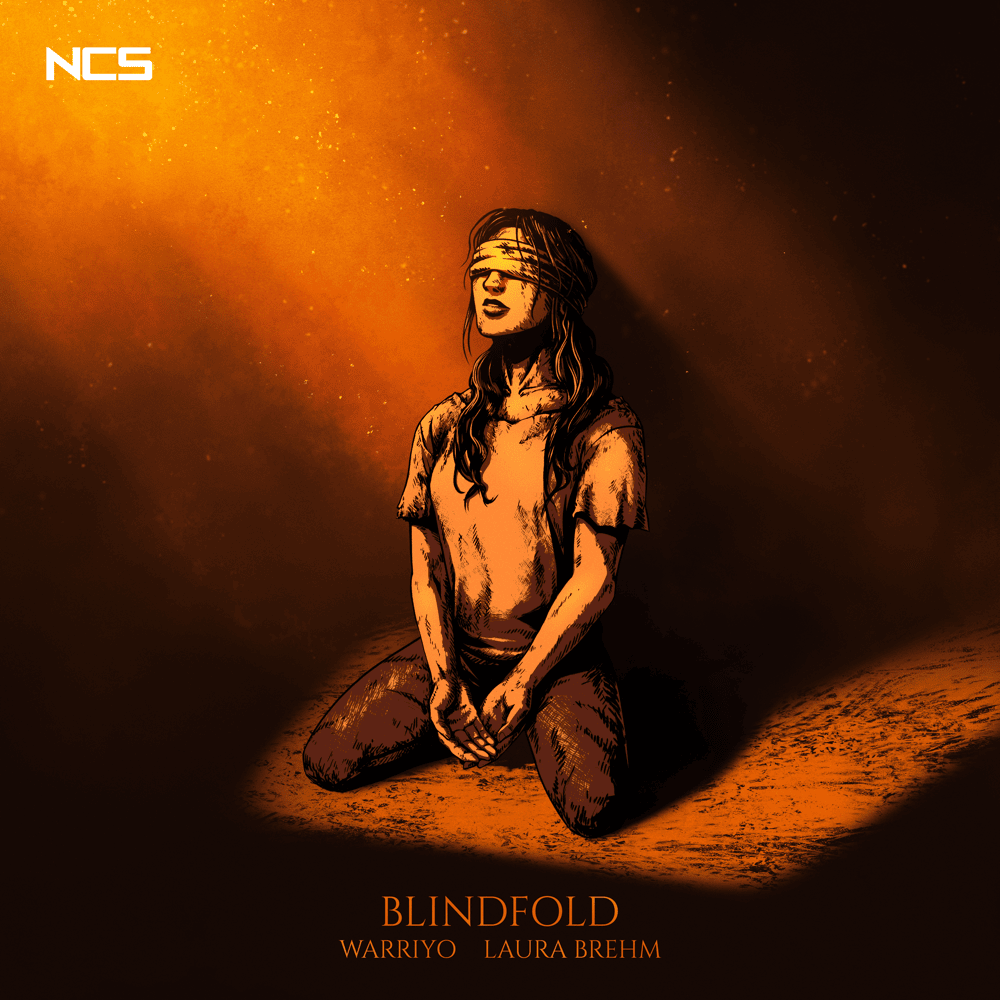
The lyrics paint a stark picture of disorientation and vulnerability. The opening lines, "Kneeling, heavy breathing," immediately establish a sense of struggle and physical exertion, setting a tone of intense, perhaps desperate, effort. This physical posture suggests a moment of surrender or exhaustion, a prelude to the overwhelming sense of being lost that follows.
The core tension arises from the narrator's profound lack of sight, both literal and metaphorical. "I cannot see the faces" and "I cannot see the path I'm following" highlight a complete inability to perceive their surroundings or their direction. This blindness fuels a desperate question: "Am I alone in this or guided by a higher reason?" The narrator grapples with the uncertainty of their situation, oscillating between the fear of isolation and the faint hope of a guiding force.
The imagery of being "lost in the darkest ocean" is particularly potent, evoking a sense of being submerged and overwhelmed by forces beyond control. The desire for connection, "Wanting someone to know my longing," underscores the isolation felt in this state. Yet, amidst this despair, there's a flicker of resilience. The act of "breathe it in / And rise" suggests an internal shift, a decision to confront the weight rather than be crushed by it, even without clear vision.
Ultimately, the effectiveness of these lyrics lies in their raw portrayal of internal struggle. The repetition of "I cannot see" emphasizes the pervasive nature of the narrator's confusion. The final lines, "Indiscriminately burning / Sorrow for the fallen," introduce a somber, almost ritualistic element, hinting at a broader empathy or a shared pain experienced even in profound personal darkness. The cycle from kneeling and breathing to rising and then back to kneeling suggests a continuous, arduous process of confronting overwhelming circumstances.
 View Artist