Song Meaning
Warren Zevon’s "Join Me in L.A." isn't a postcard of sunshine and palm trees; it's an invitation to something far more complex, delivered with his signature sardonic wit. The opening lines immediately subvert the typical L.A. narrative: "They say this place is evil / But that ain't why I stay." He acknowledges the city's dark reputation, but his reasons for remaining run deeper than simple denial. The song hints at a personal discovery, a sense of purpose found amidst the perceived moral decay: "'Cause I found something / That will never be nothing / And I found it in L.A." This 'something' remains undefined, a tantalizingly ambiguous motivation that fuels the entire track.
The recurring invitation, "Join me in L.A.," acts as both a siren call and a knowing wink. The verses paint fragmented snapshots – a midnight pronouncement from a Topanga DJ under a full moon, a long-distance phone call from the legendary Tropicana Motel. These are not scenes of glamorous excess, but rather isolated moments, imbued with a sense of longing and perhaps a touch of desperation. The full moon rising carries its archetypal weight, suggesting transformation, madness, and the unleashing of primal instincts, all intensified within the L.A. landscape.
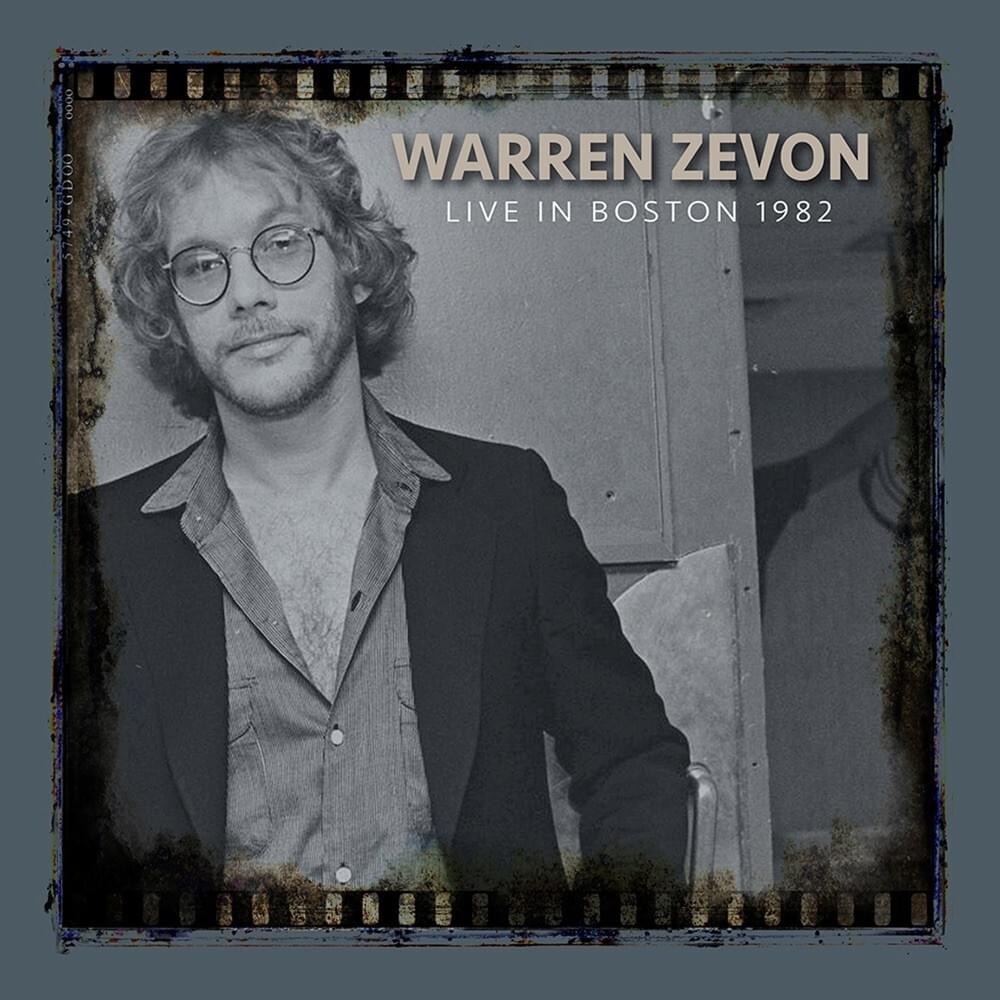
Zevon's dry, almost cynical delivery, especially evident in the live version's spoken outro, adds another layer of complexity to the song's meaning. His comment, "Couldn't happen here, couldn't happen in Boston. Thank God," reveals a love-hate relationship with Los Angeles. It's a place where the strange and the sublime coexist, where darkness and opportunity intertwine. "Join Me in L.A." becomes less about a physical location and more about a state of mind – an embrace of the unconventional, a willingness to confront the shadows, and a search for something authentic in a city of artifice. The song ultimately suggests that the true 'evil' of L.A. isn't its reputation, but its potential to expose the darkness within ourselves, and that, perhaps, is exactly why Zevon stays.
 View Artist