Song Meaning
Warren Zevon’s "Frozen Notes" is a masterclass in melancholic introspection, a raw and unflinching look at the aftermath of self-imposed isolation. The song, draped in the imagery of autumnal solitude, finds Zevon dissecting the paradox of freedom sought and the loneliness it yields. The opening lines immediately set the tone, the gentle rain mirroring the persistent return of loneliness. It's not just sadness; it's a cyclical, almost predictable, emptiness that his song, his art, can't seem to touch.
The central metaphor of "frozen notes" suspended in the air encapsulates the song's core theme: a moment of suspended animation, a lingering regret. These notes, once vibrant perhaps, are now static, unable to reach their intended destination, much like the singer's emotions. The poignant line, "No one waits for me / 'Cause I thought I wanted to be free," is a gut-punch of self-awareness. The pursuit of freedom, that quintessential American ideal, has backfired, leaving him stranded in a self-made purgatory. He's not lamenting a lost love in the traditional sense, but rather the loss of connection, the absence of someone waiting.
The image of the "ship of the brokenhearted" passing by is particularly evocative. It suggests a community of shared pain, a collective experience of loss that he observes from a distance. Yet, instead of seeking solace or connection, he turns away, retreating further into his memories. The repetition of "And I cry" isn't just a statement of sorrow; it's an act of catharsis, a release that underscores the depth of his regret. "Frozen Notes" isn't just a song about loneliness; it's about the price of independence and the haunting realization that sometimes, the freedom we crave leaves us colder than we ever imagined.
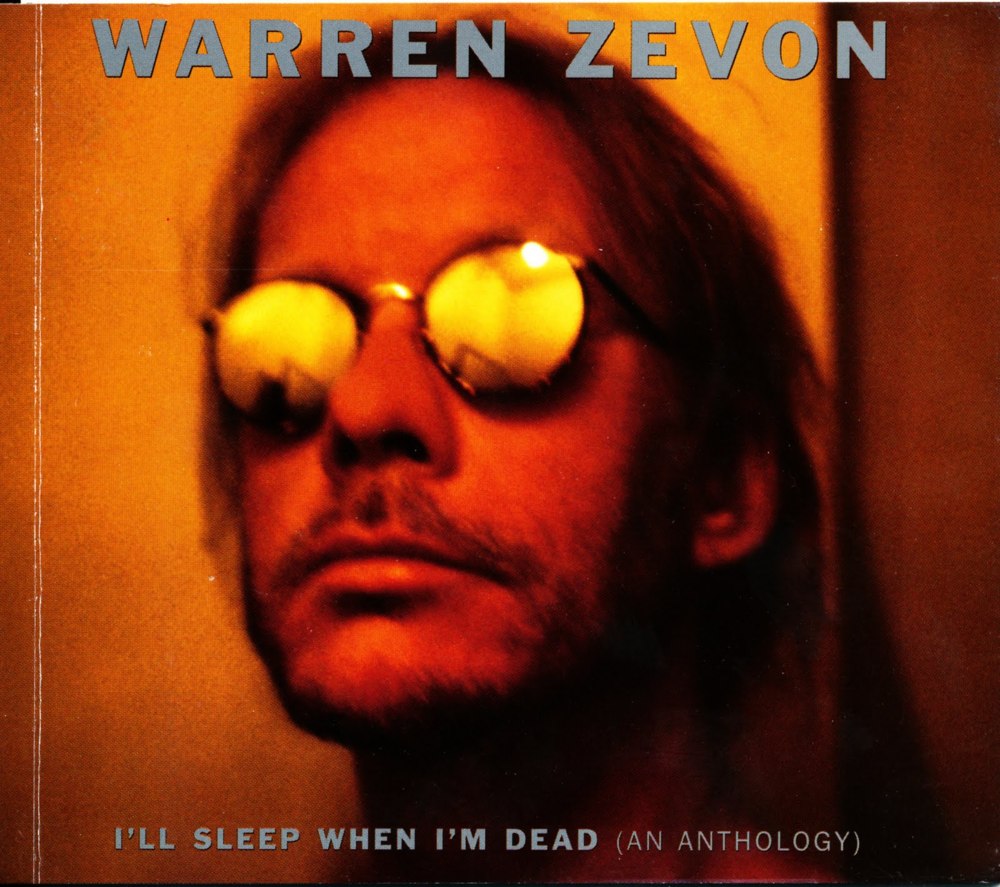
 View Artist