Song Meaning
The lyrics paint a stark portrait of someone emotionally impenetrable, their inner turmoil hidden behind a facade of resilience. The opening lines, "Tears on the inside of your face / But none on the outside," immediately establish this disconnect between internal suffering and external composure. This person has constructed "palaces" of defense, so hardened by past hurts that no new pain can breach them. They present a curated version of their history, showing only the "dark side," as if clinging to a "wooden mask" that serves as a "token of war," signifying a constant battle.
The central tension arises from the narrator's desperate attempt to understand and perhaps penetrate this armor. The repeated question, "Is it me or you that's killing you, baby?" reveals a profound uncertainty about the source of the destruction. The narrator questions whether their own presence or actions are contributing to the other's demise, or if the other person is solely responsible for their own self-inflicted pain. This is amplified by the accusation of being a "denier," someone who refuses help and perhaps even self-reflection, leading to the poignant query, "has it grown too late to help yourself?"
The most striking craft element is the transformation of intimacy into a weapon. The eyes that were once a "window" to the soul are now used for aiming, turning a symbol of connection into a tool of accusation. The line, "And point it at my chest," coupled with the image of a "bullet dancing in your breast," suggests a dangerous, internalized conflict that is being projected outward. This shift from vulnerability to aggression, from shared understanding to pointed blame, underscores the breakdown of communication and trust.
Ultimately, the lyrics resonate because they capture the painful helplessness of witnessing someone you care about self-destruct while being unable to reach them. The narrator’s plea, "But maybe I could save you if I only knew," is a raw expression of love battling against the futility of their situation. The cyclical return to the opening imagery of hidden tears and impenetrable callouses reinforces the tragic, unresolved nature of this emotional standoff, leaving the listener with a sense of profound, unanswerable sorrow.
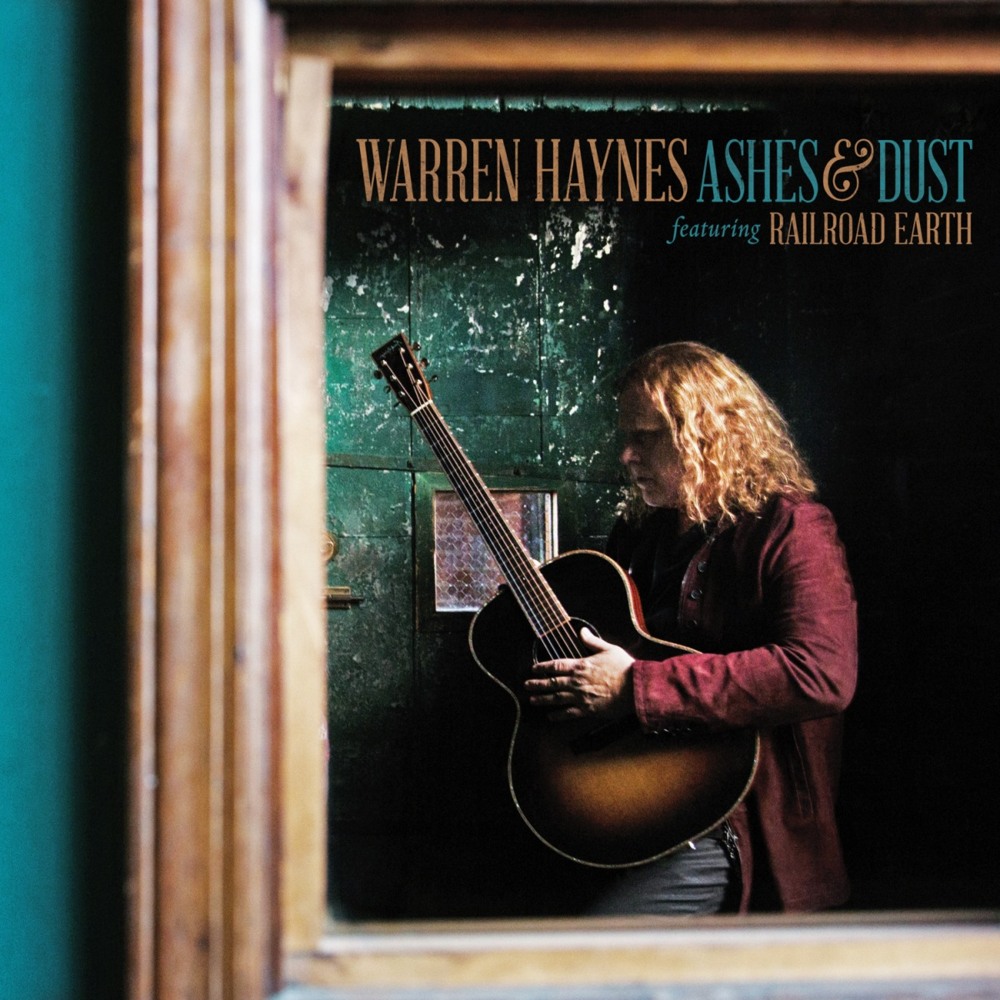
 View Artist