Song Meaning
The lyrics paint a picture of a world seen as temporary, a stark contrast to an eternal purpose. The narrator immediately establishes a sense of detachment from earthly existence, stating, "This world is not my home." This sets up a core tension: how to live meaningfully within a transient reality. The dominant emotional tone is one of earnest devotion and a desire for selfless action, driven by a spiritual conviction.
This devotion crystallizes in the central plea: "Lord, take my life and use it up." The narrator isn't seeking personal glory or comfort, but rather a complete surrender of their being for a divine cause. This desire is amplified by the imagery of spreading their life "thin like a blanket of love" over a world that has been redeemed. It's a powerful metaphor for selfless service and widespread impact, suggesting a life poured out for others.
The lyrics offer a poignant image of spiritual emptiness: "Down here the grass dies on both sides of the fence." This suggests a world where even perceived boundaries or divisions lead to decay, implying that true fulfillment and life are found beyond such earthly limitations. The narrator's "vain searching" is presented as futile, reinforcing the idea that purpose is found not in self-driven pursuits, but in dedicating one's existence to a higher calling.
Ultimately, the effectiveness of these lyrics lies in their directness and the stark contrast they draw between fleeting earthly concerns and the enduring nature of spiritual commitment. The repeated call to "take my life" and the conviction that "only what is done for God will last" create a powerful, resonant message for those seeking a deeper sense of purpose beyond the transient. The writing grounds this profound desire in simple, yet evocative, imagery.
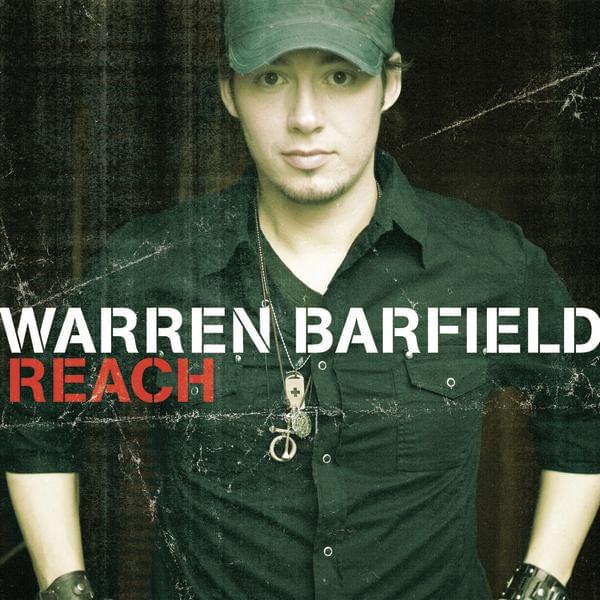
 View Artist