Song Meaning
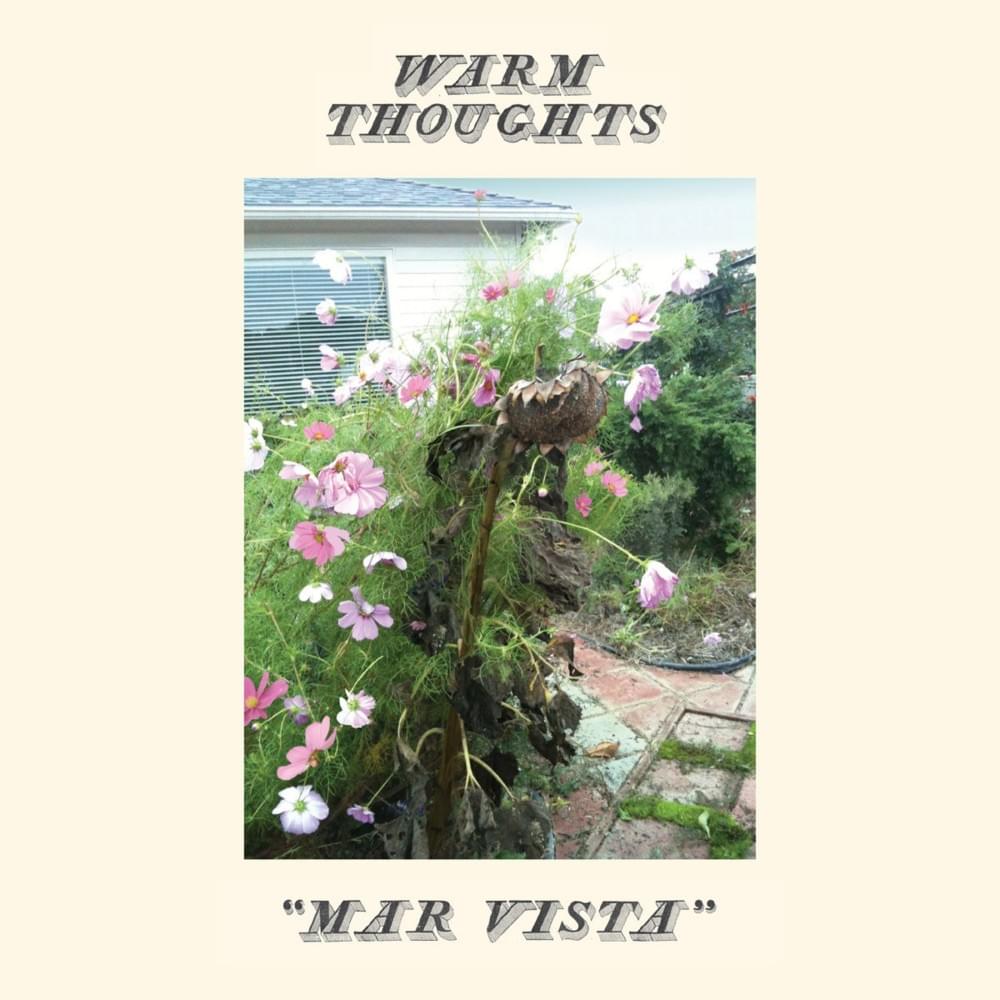
The narrator arrives home to find a scene of decay and discontent, a garden overrun by weeds and unhappy residents. This sets a tone of overwhelming responsibility and a desire to fix things, symbolized by wanting to move snails and flip bugs. However, a stark realization of powerlessness emerges, immediately followed by a surprising acceptance: "that's okay."
This pivot introduces the core tension: the struggle between the urge to control and the necessity of acknowledging limitations. The lyrics suggest that this powerlessness isn't a failure, but a shared human condition. The narrator identifies as "the feeder of every bird," implying a nurturing role, yet immediately counters this with the self-deprecating but unifying label of a "symbiotic wreck like the rest of us."
The repeated image of "the slide held up to the light" serves as a potent, unsettling motif. It's a place the narrator explicitly states they "never want to come back to," suggesting a painful or traumatic past associated with this seemingly innocent childhood object. The act of holding it up to the light implies a close, perhaps obsessive, examination of something that still holds a dark significance.
Ultimately, the song finds its emotional resonance in this complex acceptance of imperfection and shared struggle. The willingness to admit powerlessness and even laugh at oneself, alongside the haunting repetition of the slide image, crafts a portrait of someone grappling with past hurts and present limitations, finding a fragile peace in acknowledging they aren't alone in their brokenness.
 View Artist