Song Meaning
The lyrics paint a picture of a powerful, almost elemental being weaving destinies and realities. Initially, there's a sense of binding and devotion, with phrases like "Binder deg til meg" (Bind you to me) and "Tri gongar gjél for deg / Tri songar syng for deg" (Three times I cry for you / Three songs I sing for you), suggesting a deep, perhaps ritualistic, connection being forged. This initial act of creation and commitment, however, seems to be a precursor to a departure, as the narrator states, "No vender eg mi vise / Den fylgjer nye far" (Now I turn my song / It follows new paths).
The core tension arises from this duality of creation and separation, binding and releasing. The narrator is both the weaver and the one who moves on, embodying a force that shapes but is not permanently tethered. The repeated motif of "trådar tvinnar" (threads twine) and "tråden bind" (the thread binds) highlights this act of creation, while the subsequent lines about turning and following new paths emphasize a necessary detachment. This push and pull between connection and independence is the emotional engine of the piece.
A striking element is the narrator's self-identification with elemental forces and transformative power. Lines like "Eg var og eg er vind / Eg er vinda, vevja" (I was and I am wind / I am wound, woven) and the imagery of riding out with the mind ("Rir ut med Hugen") suggest a being that is fluid, pervasive, and deeply connected to will and thought. The assertion "Ser eg, er eg alt / Vil eg, vinn eg alt" (If I see, I am all / If I will, I win all) elevates this to a cosmic level, where perception and volition are the ultimate tools of creation and control.
This lyrical construction is effective because it grounds abstract concepts of fate and will in tangible, almost visceral imagery of weaving and elemental movement. The shift from binding to releasing, from following new paths to asserting ultimate control, creates a sense of dynamic power. The narrator isn't just singing about destiny; they are actively embodying the force that shapes it, making the listener feel the weight and sweep of this transformative will.
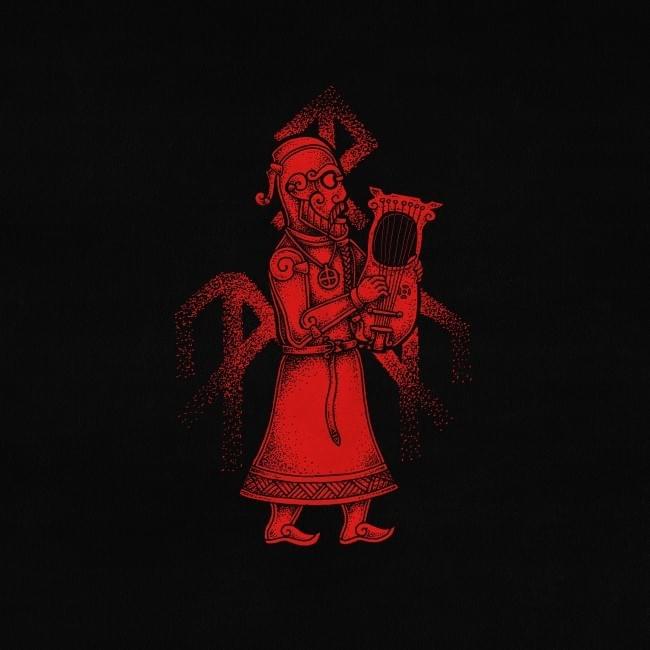
 View Artist