Song Meaning
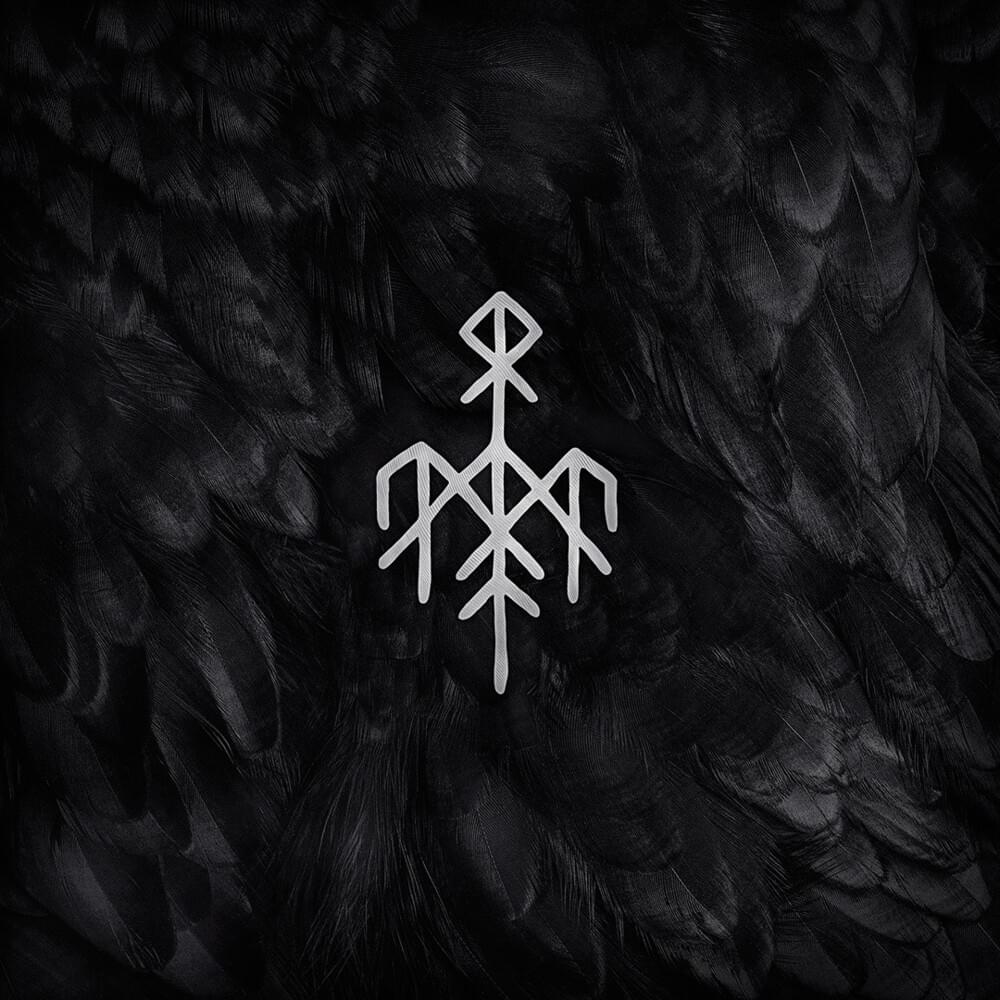
The lyrics paint a poignant picture of memory and thought, personified as two ravens, "Munin" and "Hugin" (though only "Munin" is explicitly named as the speaker's identity later). These ravens are cherished, sent out into the wind, each representing a facet of the speaker's mind: one for memory, one for thought. They bring back songs upon their return, suggesting a cyclical process of experience and reflection. The core tension arises from the fear of losing these vital parts of oneself, with the speaker feeling that thought might not return and, more terrifyingly, that memory might lose its way.
The imagery of a lost thought and a wandering memory is starkly rendered. The lyrics present a powerful metaphor: "Vegvill er hug / Utan minne / Eit tre råtnar / Utan rot." This comparison underscores the essential, life-giving connection between thought and memory, suggesting that without memory, thought becomes aimless, and existence itself decays, much like a tree without roots. The speaker's plea, "Å minnefuggel / Vær hos meg all mi tid," reveals a deep-seated anxiety about cognitive decline or existential drift.
The latter half of the lyrics shifts to a direct address, possibly to memory itself, personified as a "minnefuggel" (memory bird). This entity is seen as carrying "All den tid som runne, hev" – all the time that has passed. Memory is presented as a constant, guiding force, offering counsel and salvation from mistakes. The speaker identifies as "Minne eg heiter!" (I am called Memory!), embracing the burden and responsibility of carrying consciousness, the poet's path, and the wisdom of experience, like the root of a tree or the mark on a stone.
 View Artist