Song Meaning
The lyrics paint a picture of someone utterly drained, caught in an impossible emotional bind. The opening lines, "Parte dela vive em mim, espelho meu / Parte dele sopra em mim, você se esqueceu," immediately establish a sense of shared identity and lost connection, suggesting a past relationship or relationships that have left an indelible mark. This internal fragmentation is amplified by the recurring, stark image of being "sem chão" (without ground) and having their heart broken, a feeling that persists "mesmo sem intenção" (even without intention).
The core of the song's tension lies in the narrator's exhaustion with their current predicament. The repeated refrain, "Eu cansei de tentar, de ajudar / Eu cansei de ouvir e de falar," highlights a profound weariness with the effort of navigating complex relationships. This exhaustion culminates in the agonizing question, "Como posso escolher entre ele e você / Entre ela e você?" The repetition of "ele e você" and "ela e você" underscores the dual nature of this impossible choice, leaving the narrator feeling paralyzed and pleading "Por favor."
The most striking aspect of the craft here is the stark contrast between the raw emotional plea and the almost childlike, escapist fantasy of the second verse. The desire to "tudo mudar" (change everything) with a "varinha de condão" (magic wand) is a poignant, yet ultimately futile, wish to undo the pain and mend the broken heart. This fantasy is immediately undercut by the return of the crushing reality, the feeling of being "sem chão," reinforcing the inescapable nature of their dilemma. The bridge's "Shalalalalala" offers a brief, almost ironic, moment of vocal release that contrasts sharply with the lyrical despair, before the final, desperate chorus.
Ultimately, these lyrics resonate because they articulate a universal feeling of being overwhelmed and trapped by conflicting loyalties or emotional demands. The direct, unadorned language, coupled with the visceral imagery of heartbreak and instability, creates a powerful sense of vulnerability. The narrator isn't seeking grand solutions; they're simply expressing the unbearable weight of a choice they cannot make, a plea for relief that feels both deeply personal and widely understood.
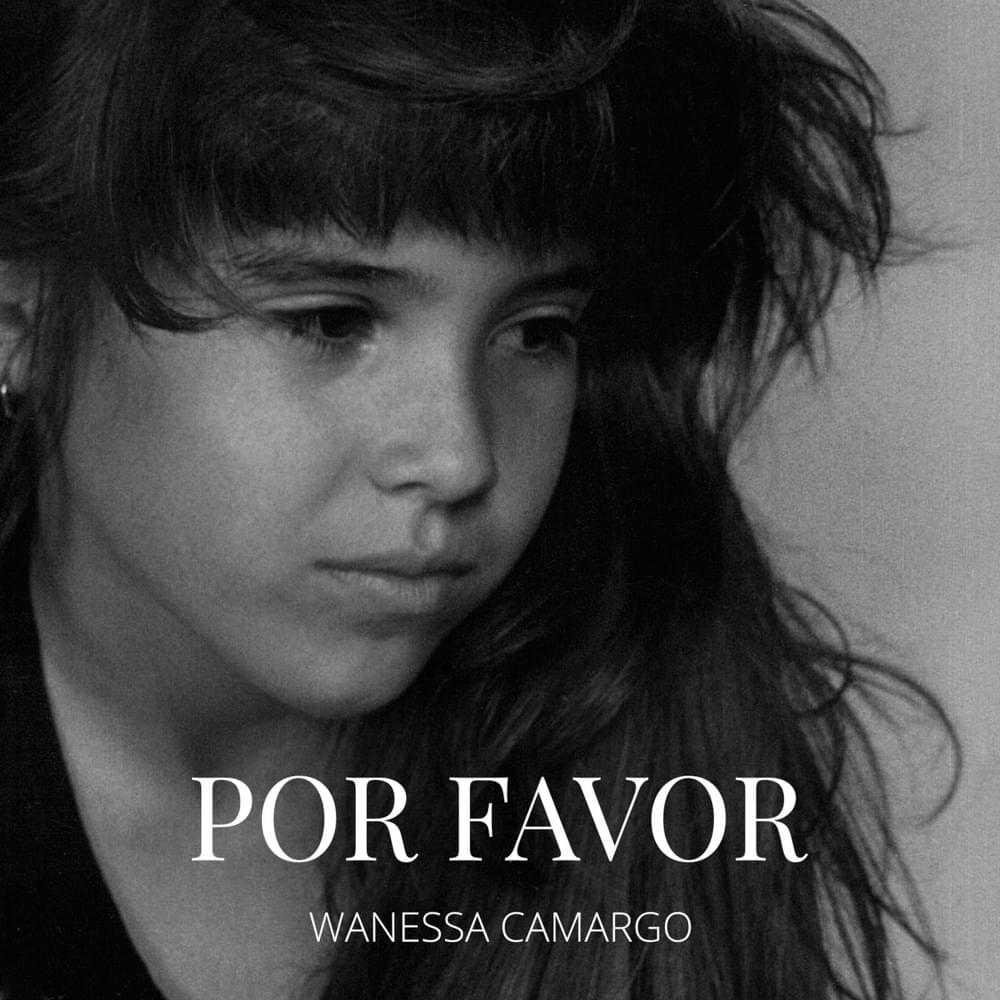
 View Artist