Song Meaning
The lyrics open with a stark, almost exasperated question: "Pra quê?" (What for?). This sets a tone of profound disillusionment, immediately questioning the value of vast, natural beauty like the sky and the sea. The repetition emphasizes a deep-seated feeling that these grand spectacles are ultimately meaningless in the face of personal desolation. It’s a raw, immediate expression of existential doubt, stripping away external grandeur to focus on an internal void.
The central tension arises from the perceived uselessness of the world's beauty when faced with profound loneliness. The breaking wave, the afternoon itself, and even the blooming flowers along a path are all rendered pointless. The narrator explicitly states, "Inútil paisagem" (Useless landscape), directly linking the external world's splendor to their internal state of isolation. The path, meant to be traversed, becomes "nothing" without companionship, rendering all surrounding beauty superfluous.
The most striking aspect of the craft is the relentless questioning and the stark contrast between the immense natural world and the narrator's solitary, diminished experience. The lyrics don't just describe sadness; they weaponize the beauty of the world against itself, making the vastness of the sky and sea feel like a cruel mockery. The repetition of "De que serve..." (What's the use...) hammers home the feeling that personal absence renders all external phenomena void.
This lyrical approach is effective because it taps into a universal feeling of how personal sorrow can eclipse external joy and beauty. The specific, almost accusatory questioning of nature’s purpose, tied directly to the absence of a specific person ("Que não venhas mais" – That you won't come anymore), makes the abstract feeling of loneliness intensely concrete. The final "Nada" (Nothing) serves as a devastatingly simple, yet powerful, conclusion to this internal crisis.
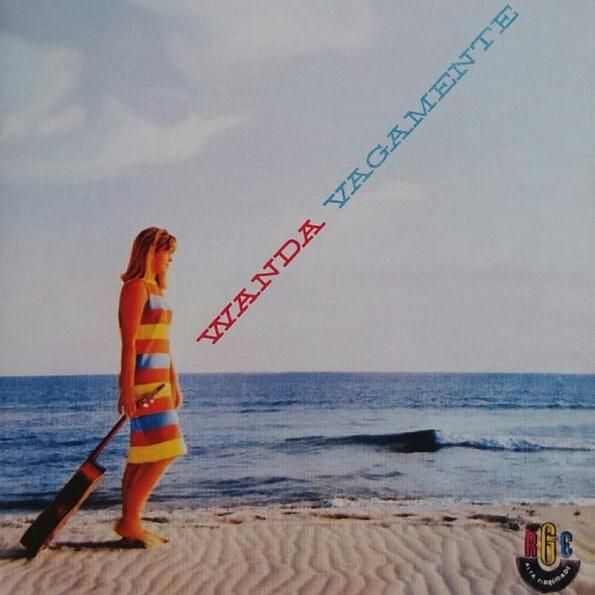
 View Artist