Song Meaning
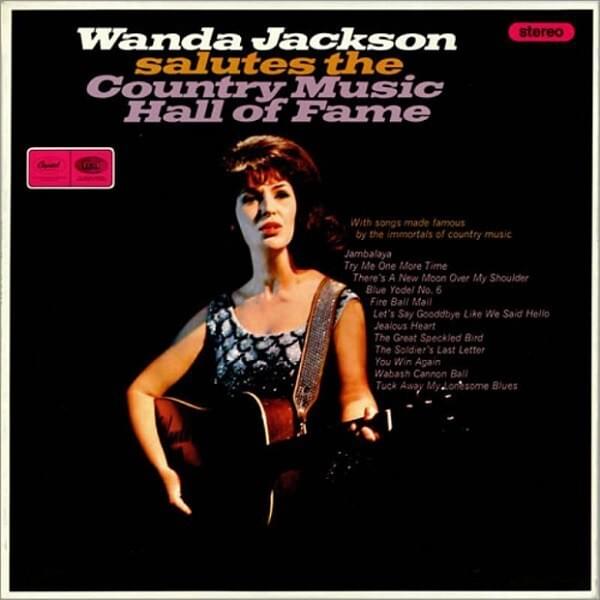
{"song_id": 14242558, "meaning": "Wanda Jackson's rendition of \"You Win Again\" is a masterclass in countrypolitan heartbreak, dissecting the cyclical nature of toxic relationships with a chilling blend of resignation and bitterness. It's not just a lament; it’s a post-mortem delivered from the wreckage, coolly observing the predictable patterns of a charismatic yet destructive lover. The opening lines establish the public humiliation--\"The news is out all over town\"--but the true gut-punch comes with the admission of continued affection: \"I love you still, you win again.\" This isn't naive longing; it's the weary acknowledgment of a deeply ingrained, perhaps even self-destructive, emotional dependency. The singer understands her own complicity in the drama.
The song's brilliance lies in its psychological acuity. The lyrics aren't simply about being cheated on; they're about recognizing a character flaw, both in the object of affection and, implicitly, in oneself. The lines \"This heart of mine could never see / What everybody knew but me\" speak to a willful blindness, a desire to believe the best even in the face of overwhelming evidence to the contrary. \"Just trusting you was my great sin\" isn't a plea for forgiveness; it's a stark assessment of poor judgment. The notion of 'winning' highlights the manipulative dynamic at play, where love becomes a twisted game with predetermined outcomes.
But the real sting is reserved for the next victim. There’s a haunting empathy in the lines \"I'm sorry for your victim now / For soon her head like mine will bow.\" This isn't just about romantic jealousy; it’s a recognition of a shared fate, a sisterhood of the betrayed. The singer foresees the future heartbreak with unsettling clarity. \"You Win Again\" transforms from a personal grievance into a broader commentary on the seductive power of toxic individuals and the patterns of behavior they perpetuate. It's a song that lingers long after the final note, prompting introspection about the choices we make and the traps we willingly fall into."}
 View Artist