Song Meaning
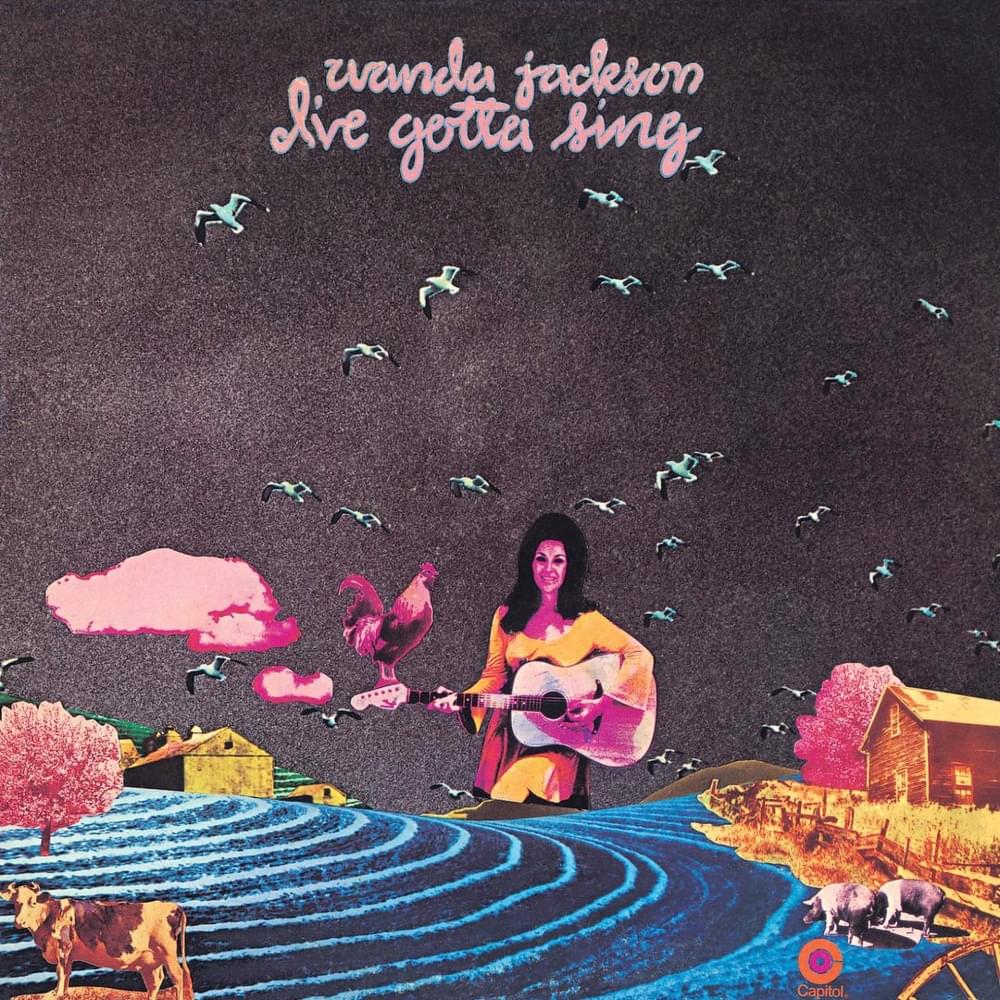
{"song_id": 14237744, "meaning": "Wanda Jackson's \"Wonder Could I Live There Anymore\" isn't just a country tune; it's a psychological portrait of estrangement, painted with rural nostalgia. The song circles the complex emotions surrounding a return to one's roots, acknowledging the idealized memories while simultaneously recognizing the impossibility of truly going back. It's a sentiment many experience as they evolve beyond their formative environments, caught between the comfort of the familiar and the reality of a changed self. The opening verses evoke a sensory-rich depiction of rural life: the rooster's crow, the heavy dew, the smell of cornbread. These details trigger a cascade of childhood memories, a longing for a simpler time. But the lyrics don't shy away from the hardships inherent in that life – the \"hard work day,\" the endless chores, the father working overtime to make ends meet.
The repeated line, \"It's nice to think about it, maybe even visit, but I wonder could I live there anymore,\" forms the emotional core of the song. It highlights the critical distinction between nostalgia and reality. The speaker acknowledges the allure of her past, the comfort of revisiting those memories, but implicitly understands that she has outgrown that life. It speaks to the universal experience of personal growth and the often-unspoken acknowledgment that we can never truly go home again because we ourselves are different. The song isn't necessarily mournful, but rather, realistically accepting.
Jackson's delivery adds another layer to the song's meaning. Her world-weary tone suggests a life lived and lessons learned. The final verse, \"As I think about my childhood and of my old hometown, I don't really miss 'em like before,\" solidifies this sense of acceptance. It's a poignant acknowledgement that while the past may shape us, it doesn't define us. \"Wonder Could I Live There Anymore\" ultimately explores the bittersweet process of reconciling with one's origins, acknowledging both the beauty and the limitations of a life left behind, making its analysis a deeply relatable experience for anyone who has ever pondered their own personal evolution."}
 View Artist