Song Meaning
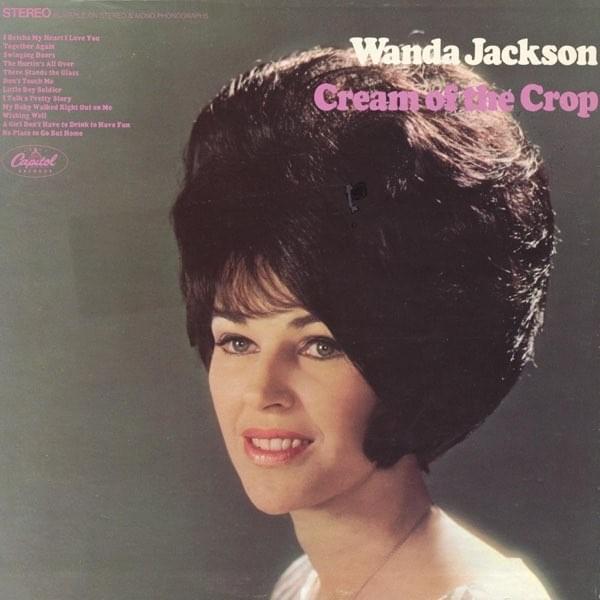
Wanda Jackson's "Swinging Doors" isn't just a country lament; it's a raw, unapologetic snapshot of self-imposed exile. The song meaning burrows deep into the psychology of heartbreak, revealing a woman who's traded domesticity for the dim glow of a bar. The opening lines are deceptively simple: she's calling to inform someone of her new address. But that address, tellingly, isn't a house, an apartment, or any place of traditional comfort. It's a bar – a space defined by transient encounters and the numbing promise of alcohol. The lyrics analysis reveals that this is not a choice made lightly; she "gave up my home to see you satisfied," implying a sacrifice, likely romantic, that has backfired spectacularly. The bar becomes her sanctuary, however twisted. It's a space where she feels "welcome," a stark contrast to the home she presumably lost. This feeling of belonging, however warped, is a powerful lure.
The chorus hammers home the bleakness of her situation. "Swinging doors, a jukebox, and a barstool" become the defining features of her existence. These aren't just objects; they're symbols of her isolation and her chosen method of coping. The "flashing neon sign" isn't an invitation to joy, but a constant reminder of the artificiality of her surroundings. The repetition of "'Cause I'm always here at home till closin' time" is particularly poignant. The word "home" is dripping with irony; it's a place of last resort, a prison of her own making. She's accessible, available, but only within the confines of this self-destructive cycle. The invitation for the person who caused her heartbreak to "stop by" carries a hint of passive aggression, a subtle jab at the person responsible for her current predicament.
"Swinging Doors" isn't simply a tale of woe; it's an exploration of the human capacity for self-destruction in the face of emotional pain. The song lyrics delve into the idea of seeking solace in unhealthy environments. Jackson's character admits she has "everything I need to drive me crazy" and "everything it takes to lose my mind." This isn't naivete; it's a conscious embrace of oblivion. The "atmosphere's just right for heartaches" because she's actively cultivating that environment. In essence, the song is a dark, unflinching look at the lengths people will go to in order to avoid confronting their pain, even if it means trading one form of suffering for another.
 View Artist