Song Meaning
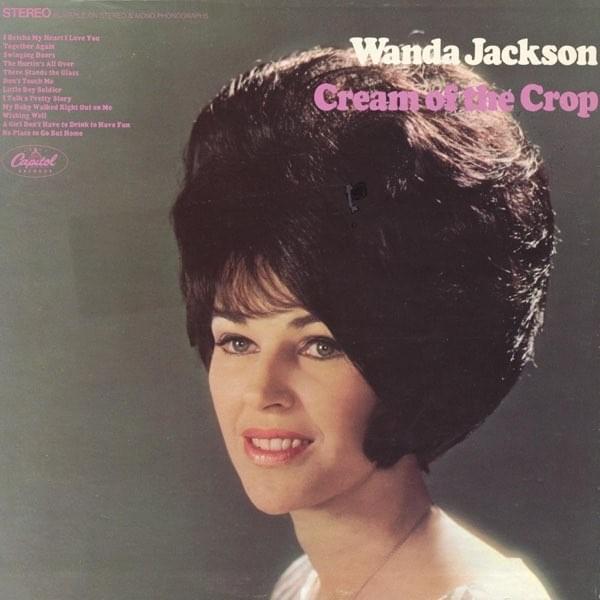
Wanda Jackson's "Little Boy Soldier" isn't a call to arms; it's a gut-wrenching portrait of innocence shattered by the brutal realities of war. The song's power lies in its stark simplicity, contrasting a child's naive patriotism with the crushing weight of loss. We meet a young boy, decked out in a soldier's outfit, eagerly awaiting his father's return, clutching a toy gun and a flag – symbols of an idealized, glorified version of military service. The cold rain and late train foreshadow the devastating truth that awaits him. He is a "little boy soldier" in the most literal and heartbreaking sense, mimicking the role he doesn't yet comprehend.
The second verse amplifies the emotional tension. The child's growing confusion, his "big brown eyes grow[ing] sleepy," clashes with the mother's silent weeping. She understands the finality of the situation in a way her son cannot. The lyrics pointedly highlight the disconnect between the child's anticipation of a "grandest time" and the grim reality that's about to unfold. Jackson captures the specific agony of a parent forced to witness their child's innocence being irrevocably damaged. The repetition of "little boy soldier waiting for his dad" becomes increasingly poignant, emphasizing the child's unwavering hope in the face of impending devastation.
The final verse delivers the crushing blow. The train's arrival brings not a joyous reunion, but a "box of pine all covered fine with stars and stripes." The child's "happy grin turns to surprise," a tragically understated reaction to a moment of profound loss. His bewilderment – "he wonders why his mommy looks so sad" – underscores the cruel irony of the situation. He runs to "meet his dad," an action that highlights the impossibility of the reunion he imagines. "Little Boy Soldier" is a stark anti-war statement, not through explicit protest, but through the devastating lens of a child's incomprehensible grief. It's a masterful exploration of innocence lost, a haunting reminder of the human cost of conflict, and a sharp critique of the romanticized image of war often presented to children.
 View Artist