Song Meaning
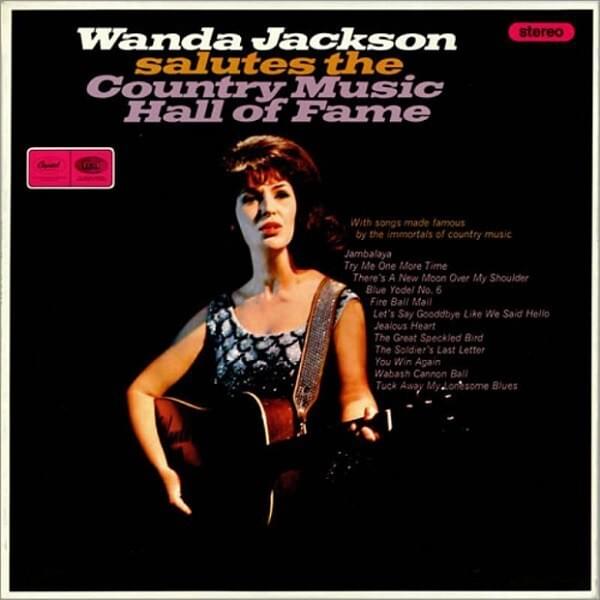
Wanda Jackson's "Jealous Heart" isn't just a lament; it's a post-mortem on self-sabotage. The song's core concept, personifying jealousy as a destructive force, elevates it beyond a simple tale of romantic loss. Jackson isn't railing against a wandering lover or a romantic rival. Instead, she's indicting her own possessive impulses, that "beating jealous heart" that ultimately poisoned the relationship. It's a raw admission of internal culpability, a recognition that the very thing she feared losing him to was, in fact, herself. The opening lines, "Jealous heart, oh jealous heart, stop beating / Can't you see the damage you have done?" establish this immediately; the heart, normally a symbol of love, becomes the antagonist.
The genius of the song lies in its psychological honesty. Jackson acknowledges the initial love and shared plans, singing, "I was part of everything he planned for / And I know he loved me at the start." This isn't a story of inherent incompatibility, but rather one of a relationship corroded by insecurity. The lyrics imply a transformation, a shift from being loved to being resented: "Now he hates the sight of all I stand for." This suggests the jealous heart didn't just cause isolated incidents, but fundamentally altered her behavior and, consequently, his perception of her. The repetition of "jealous heart" emphasizes the obsessive nature of this self-destructive cycle.
The final verses cement the tragic consequences. The knowledge that he's "gone and found another" and that his memory will "haunt" her underscores the permanence of the damage. The song's true weight resides in the line, "It's so hard to know he'll never want me / 'Cause he heard your beating jealous heart." It's not just the loss of love that stings, but the understanding that her own actions—dictated by jealousy—were the direct cause. "Jealous Heart" becomes a cautionary tale, a stark reminder that unchecked insecurities can dismantle even the most promising connections. It's a song about the devastating power of the green-eyed monster, not as an external threat, but as an internal saboteur.
 View Artist