Song Meaning
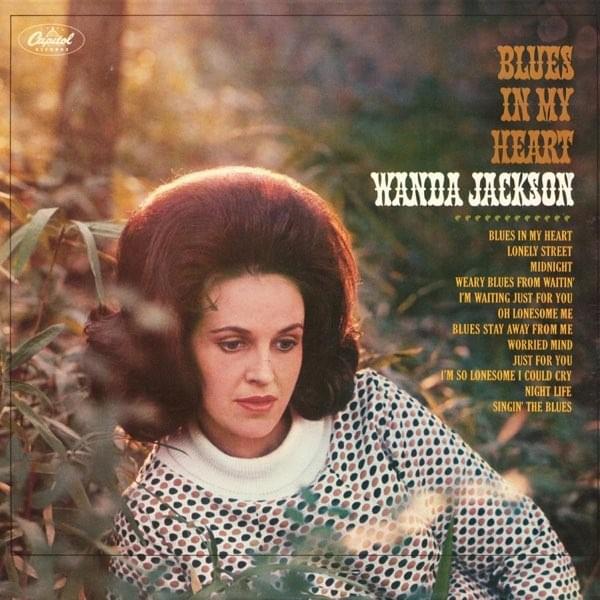
{"song_id": 14237670, "meaning": "Wanda Jackson didn't write \"I'm So Lonesome I Could Cry,\" but her take on the Hank Williams classic is a masterclass in emotional interpretation. The song isn't just about sadness; it's a raw, almost unbearable distillation of utter desolation. The genius of the lyrics lies in their stark simplicity and reliance on natural imagery to convey profound internal pain. We're not told *why* the singer is so lonesome; we simply experience the feeling through the weeping whippoorwill and the mournful train whistle. It's a primal scream rendered in the vocabulary of rural America. Jackson's vocal performance, stripped of any artifice, enhances this sense of unvarnished grief.
The brilliance of \"I'm So Lonesome I Could Cry\" rests in its ability to project human emotion onto the natural world. The moon hiding its face to cry, the robin weeping as leaves fall – these aren't just pretty images; they're external manifestations of an internal state. This technique, known as pathetic fallacy, amplifies the feeling of loneliness, suggesting it's so pervasive it infects everything around the singer. It's a loneliness so profound it transcends the personal and becomes almost cosmic. The song subtly hints at a deeper psychological state, where the singer's identity may be fracturing under the weight of loss.
Ultimately, the song's power is in its relatability. Anyone who has experienced profound loss or isolation can connect with the feeling it conveys. The lyrics don't offer any solutions or resolutions; there is no redemption arc. The lonesome feeling simply *is*. And in that stark, unflinching portrayal of human suffering, there's a strange comfort to be found. Jackson's interpretation doesn't wallow in self-pity; it presents a portrait of grief with unflinching honesty, allowing the listener to feel seen in their own moments of profound sadness. The song's meaning, therefore, isn't just about being lonesome, it's about the shared human experience of loneliness itself."}
 View Artist