Song Meaning
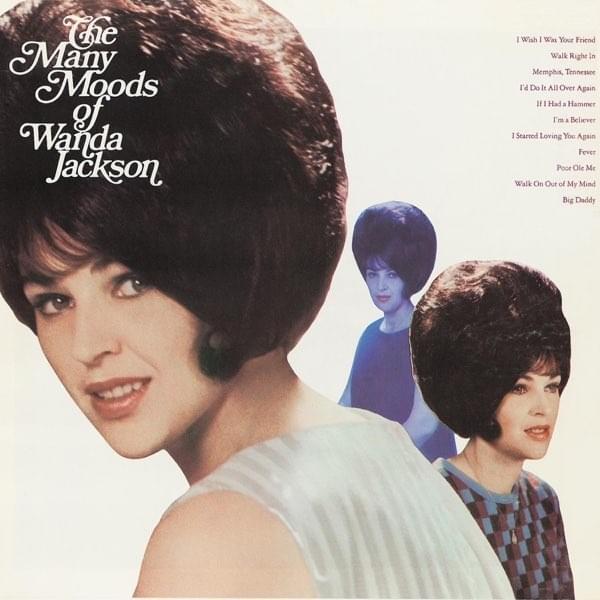
Wanda Jackson's rendition of "If I Had a Hammer" transforms a folk anthem into a potent declaration of unity and proactive compassion. While the original—penned by Pete Seeger and Lee Hays—resonated with the burgeoning Civil Rights movement, Jackson infuses it with her signature raw energy, amplifying its message of collective responsibility. The song's core concept revolves around simple, symbolic actions: hammering, ringing, and singing. These aren't literal acts of construction or performance; they represent the individual's power to shape a more just and loving world. The repeated phrase "all over this land" emphasizes the universality and scope of this mission, suggesting that change begins locally but must extend to every corner of society. It's a call for widespread, grassroots activism.
Jackson doesn't just dream of wielding these tools; she declares, "Well, I've got a hammer and I've got a bell / And I've got a song to sing all over this land." This shift from conditional wish to present reality is crucial. It transforms the song from a hopeful aspiration into an active commitment. The "hammer of justice," the "bell of freedom," and the "song about love" become tangible instruments in the listener's hands. The lyrics cleverly bypass complex political rhetoric, focusing instead on fundamental human values. By associating justice with a hammer, the song evokes a sense of direct action and immediate impact. Similarly, the bell of freedom suggests a clear, resounding call to awareness and liberation.
Ultimately, the enduring power of "If I Had a Hammer," especially as interpreted by Wanda Jackson, lies in its optimistic simplicity. It acknowledges the presence of "danger" and the need for "warning," but it refuses to succumb to cynicism or despair. Instead, it champions the transformative potential of human connection and collective action. The song implies that even the smallest acts of kindness and solidarity can contribute to a larger movement of positive change. It’s a timeless reminder that each individual possesses the tools—the "hammer," the "bell," the "song"—to help build a better future, one swing, one ring, one verse at a time.
 View Artist