Song Meaning
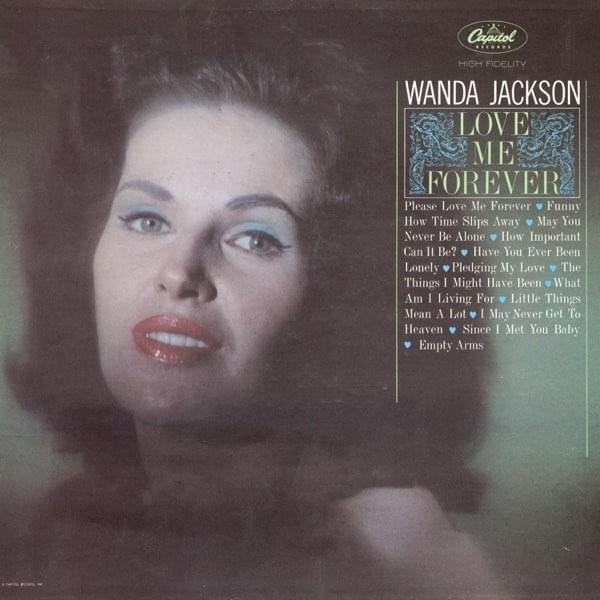
Wanda Jackson's "How Important Can It Be" isn't just a plea for forgiveness; it's a masterclass in emotional negotiation. The song circles around the anxiety of a past indiscretion, a youthful dalliance that now threatens to overshadow a present love. Jackson doesn't deny the 'old romance,' but rather frames it as a relic from a less mature version of herself. The central question – 'How important can it be?' – becomes both a defensive shield and a genuine inquiry into the nature of commitment and acceptance. She’s daring her partner (and perhaps herself) to weigh the past against the tangible reality of their current bond. This is a classic country trope flipped on its head, where the woman isn't necessarily begging for forgiveness, but subtly challenging the very grounds of the accusation.
The lyrical strategy here hinges on the contrast between a 'young and foolish heart' and a present state of wisdom. This isn't just about dismissing youthful mistakes; it's about asserting personal growth and evolution. The line 'even foolish hearts can learn' is key. Jackson is arguing that the capacity for change is inherent in the human experience, and that fixating on past actions is a form of stagnation. She implicitly asks: isn't the ability to learn from mistakes a virtue in itself? The repeated insistence on focusing on 'here and now' reinforces the idea that the present relationship is not just a replacement for the past, but a conscious choice, built on a foundation of evolved understanding.
Ultimately, "How Important Can It Be" explores the messy terrain of relational vulnerability. It acknowledges the power of the past to haunt the present, while simultaneously advocating for the transformative potential of love and acceptance. The song's meaning lies not just in the lyrics themselves, but in the unspoken question it poses to the listener: how much weight should we give to past mistakes when evaluating the sincerity of present affections? Jackson’s performance imbues the song with a raw honesty, making it a compelling exploration of trust, forgiveness, and the ever-evolving nature of the human heart.
 View Artist