Song Meaning
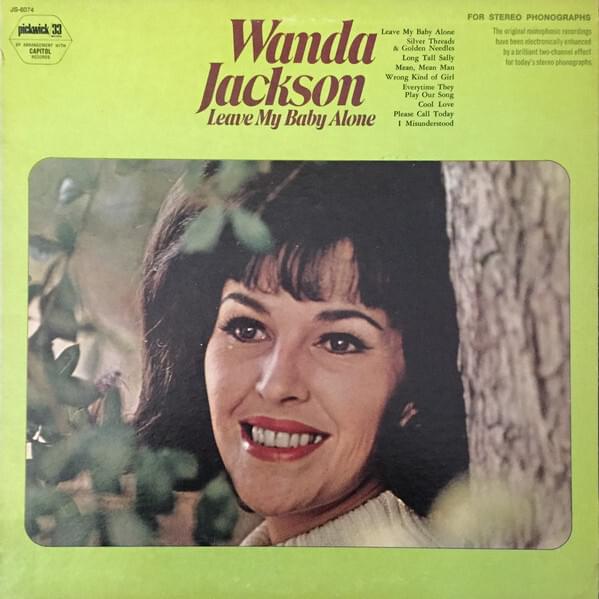
Wanda Jackson's "Everytime They Play Our Song" isn't just a heartbreak ballad; it's a masterclass in sonic PTSD. The song's power lies in its depiction of involuntary memory, the kind that ambushes you in the grocery store or, in this case, via the radio. It's not merely about missing someone; it's about the inescapable trigger of a shared past, encoded in melody and rhythm. The repeated phrase "every time they play our song" becomes a Pavlovian bell, instantly summoning a flood of emotions she desperately tries to suppress. The systematic use of 'I try' sets up the futility of her efforts. It's the struggle that defines the song.
The lyrics paint a picture of a woman actively fighting against the tide of memory. She's attempting to "live without you and hold my head up high," seeking new love, and trying to "dream my blues away." These are conscious, deliberate actions aimed at moving on. But the song acts as a sonic wormhole, instantly collapsing the distance between the present and the painful past. Each note becomes a fresh wound, reopening the barely-healed scar of the relationship. The music, once a symbol of connection, is now a constant reminder of its absence.
What elevates "Everytime They Play Our Song" beyond simple sentimentality is Jackson's raw, unvarnished delivery. There's no melodrama, no over-the-top theatrics, just a stark and honest portrayal of grief's cyclical nature. It's a brilliant study in how music can act as both a comfort and a curse, forever binding us to moments we'd rather forget. It's a reminder that some songs aren't just songs; they're time machines, capable of transporting us back to specific points in our emotional history, whether we like it or not.
 View Artist