Song Meaning
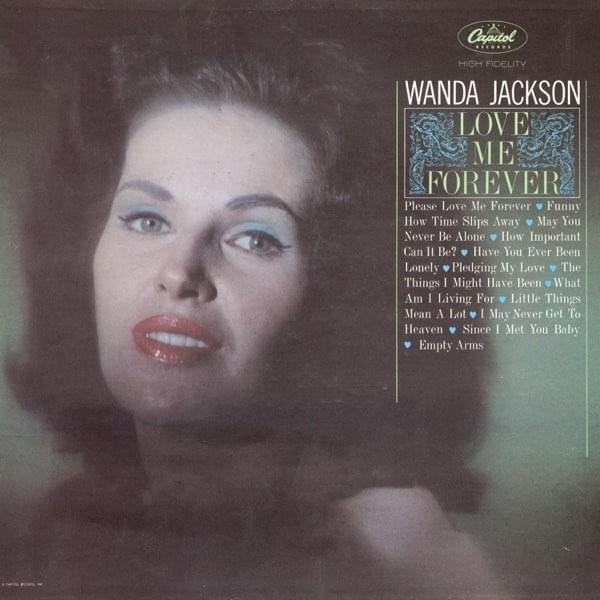
Wanda Jackson's "Empty Arms" is a masterclass in country music minimalism, a raw emotional plea distilled to its most potent form. The song's power lies not in lyrical complexity, but in the stark simplicity of its central image: the yearning emptiness of arms that crave connection. It speaks to the primal human need for touch and intimacy, a void that echoes with the absence of a loved one. The repetition of "empty arms" drives home the depth of the singer's longing, turning a physical sensation into a palpable metaphor for emotional desolation. Each line drips with vulnerability, painting a portrait of a woman suspended in a state of anticipation, clinging to the hope of reunion.
The second verse subtly amplifies this sense of loneliness, introducing the image of a pillow clutched in the singer's arms at night. This detail is particularly poignant, transforming the inanimate object into a surrogate for the absent lover. It highlights the lengths to which the singer goes to fill the void, even if only in her imagination. The act of holding the pillow becomes a ritual, a desperate attempt to recreate the intimacy that has been lost. This small, almost pathetic gesture speaks volumes about the depth of her attachment and the pain of separation.
Yet, "Empty Arms" is not entirely mired in despair. A flicker of hope ignites in the latter half of the song, fueled by the anticipation of her baby's return. The lyrics shift from lament to expectation, transforming the "empty arms" from a symbol of loneliness into a vessel of future joy. The impending arrival becomes a beacon, a promise of fulfillment that sustains the singer through her solitude. The final repetition of "These empty arms, I'll have no more" is not just a statement of fact, but a declaration of faith, a powerful affirmation of love's enduring power to conquer even the most profound sense of emptiness. The song meaning, therefore, transcends simple longing; it's a testament to the resilience of the human heart.
 View Artist