Song Meaning
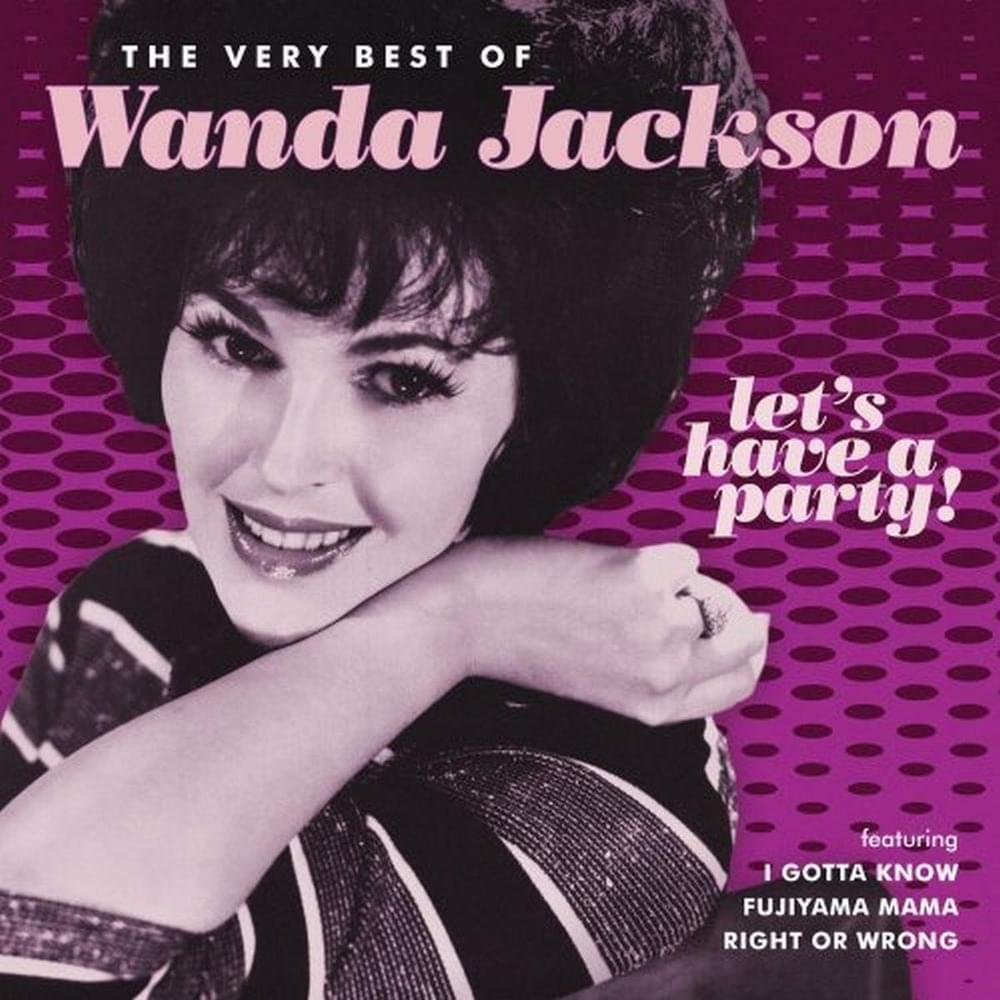
Wanda Jackson's rendition of "Crazy" isn't just a song; it's a masterclass in emotional vulnerability disguised as a country ballad. The repeated declaration of "crazy" unravels the complex layers of self-blame and heartbreak that follow lost love. It's a raw, almost masochistic dive into the psyche of someone grappling with rejection, where the line between love and madness blurs. The genius of "Crazy," especially as interpreted by Jackson, lies in its unflinching honesty about the irrationality of the human heart. We *know* love can be fleeting, yet we still cling to the hope of permanence, setting ourselves up for potential devastation. That's the 'crazy' Jackson so powerfully conveys.
The lyrics paint a picture of a woman caught in a loop of self-recrimination. The opening lines immediately establish this theme: "Crazy, crazy for feeling so lonely / I'm crazy, crazy for feeling so blue." This isn't just sadness; it's a self-aware acknowledgment of the perceived absurdity of her own feelings. She admits to knowing the relationship was temporary ("I knew you'd love me as long as you wanted / And then someday, you'd leave me for somebody new"), yet still finds herself spiraling into despair. It is the paradox of foresight and continued hope that defines much of the song's meaning.
Ultimately, "Crazy" transcends the typical heartbreak anthem. It's a stark portrayal of the internal chaos that ensues when love doesn't conquer all. Jackson doesn't shy away from portraying the 'crazy' actions born from heartbreak: the desperate attempts to hold on, the endless tears, and the persistent, unwavering love. In the end, it's the unwavering love, against all reason, that defines the true depth, and the true 'craziness', of the human experience.
 View Artist