Song Meaning
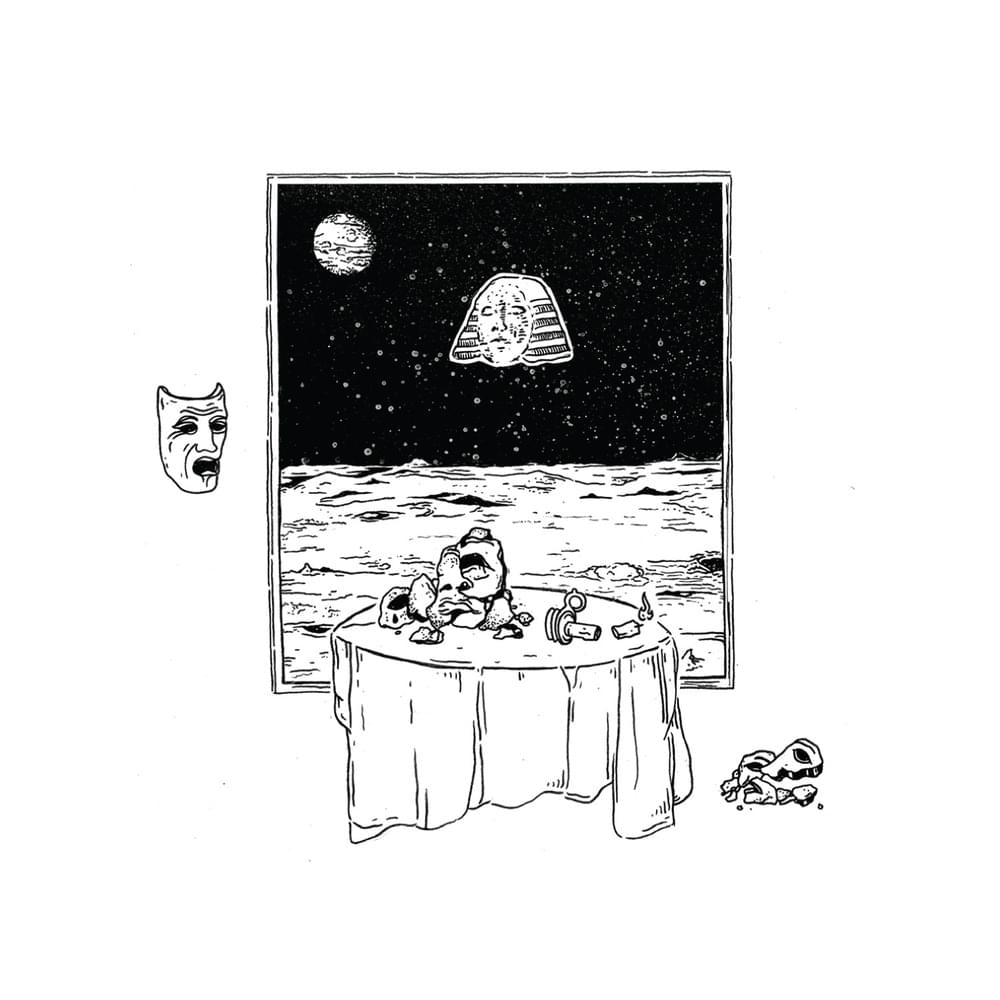
The lyrics paint a stark picture of being trapped and consumed by something inescapable, visualized through the recurring image of being "underneath the water" and sinking "like a stone." This isn't a gentle descent; it's a slow, inevitable pull, with the narrator observing a subject who is both sinking and refusing to let go, becoming a "statue made of stone." The imagery suggests a profound, perhaps spiritual or emotional, paralysis, where the subject is becoming one with their own immobility.
The core tension seems to stem from a desperate desire for detachment and self-sufficiency, starkly stated in the second verse: "I don't need a friend / I don't need a bandage / I don't want a mom / I don't want a father." This rejection of external support highlights a profound isolation, a refusal to be healed or nurtured, perhaps as a defense mechanism against the overwhelming force described earlier. The narrator appears to be observing this struggle, noting the subject's attempt to "melt all you can" and "dream a beautiful dream," as if seeking an escape through internal dissolution or artificial comfort.
What's particularly striking is the contrast between the internal state and the external presentation, especially in the chorus. "Streets made of stone" and "nobody home" evoke a desolate, empty landscape, mirroring the internal emptiness or emotional shutdown. The phrase "life out of body" suggests a profound dissociation, a feeling of being detached from one's own physical existence. This leads to the enigmatic "Flesh tour around," which seems to imply a performative or observational experience of existence, a detached tour through the physical world or one's own physical being without true engagement.
Ultimately, the effectiveness of these lyrics lies in their bleak, almost clinical depiction of emotional stasis and detachment. The repetition of stone imagery grounds the feeling of immutability and coldness, while the stark declarations of independence in Verse 2 amplify the sense of isolation. The chorus then broadens this into a desolate, disembodied experience of life, suggesting a profound disconnect between the self and the world, or even the self and its own physical form. It’s a chilling portrait of being present but not truly alive.
 View Artist