Song Meaning
This snippet paints a vivid, almost surreal image: a dog's smile is found in its tail. It immediately sets a playful, perhaps nonsensical, tone, suggesting a world where conventional expressions are remapped onto unexpected body parts. The dominant emotion feels lighthearted, bordering on whimsical, inviting the listener to question the usual ways we perceive emotion and communication.
The core idea seems to be a playful subversion of expectations. A smile, typically associated with the face and direct human-like expression, is displaced onto a dog's tail, a part of the body that wags to show excitement or happiness. This juxtaposition creates a charming, slightly absurd disconnect, forcing us to reconsider how we interpret animal behavior and even our own emotional cues.
The craft here is in its extreme conciseness and the unexpected pairing of concepts. The phrase "O sorriso do cachorro" (The dog's smile) is immediately followed by its unconventional location, "Tá no rabo..." (Is in the tail...). This direct, almost declarative statement, without further explanation, amplifies the quirky charm and leaves the listener to ponder the implications of this re-assigned expression.
Ultimately, the effectiveness lies in its ability to spark imagination and a sense of delightful oddity. It’s a tiny, potent image that bypasses complex narrative to deliver a moment of pure, unexpected joy. The lyrics suggest that happiness, or its outward sign, can manifest in the most surprising and delightful ways, if only we're open to seeing it.
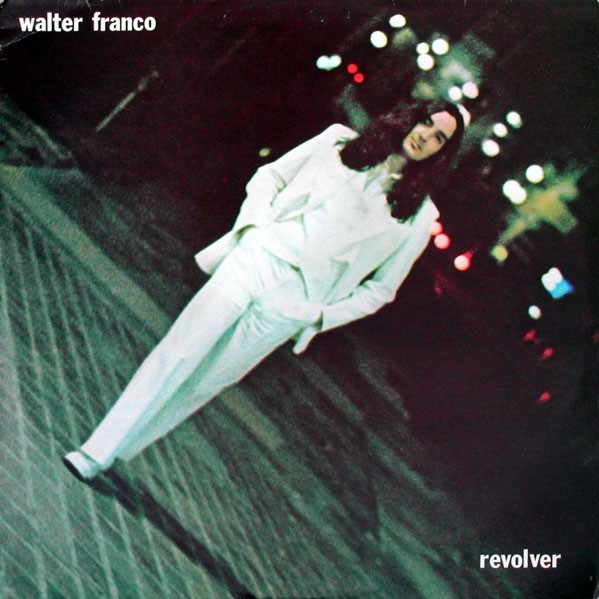
 View Artist