Song Meaning
The narrator observes the first tangible frost on an October morning, a fleeting spectacle that transforms the landscape into a "light blue-gray veil." This initial beauty is quickly erased by a warm, cloudless sun, leaving behind only "glittering patches of wet." The scene is one of rapid, almost imperceptible change, where a significant natural event is almost immediately undone by common weather.
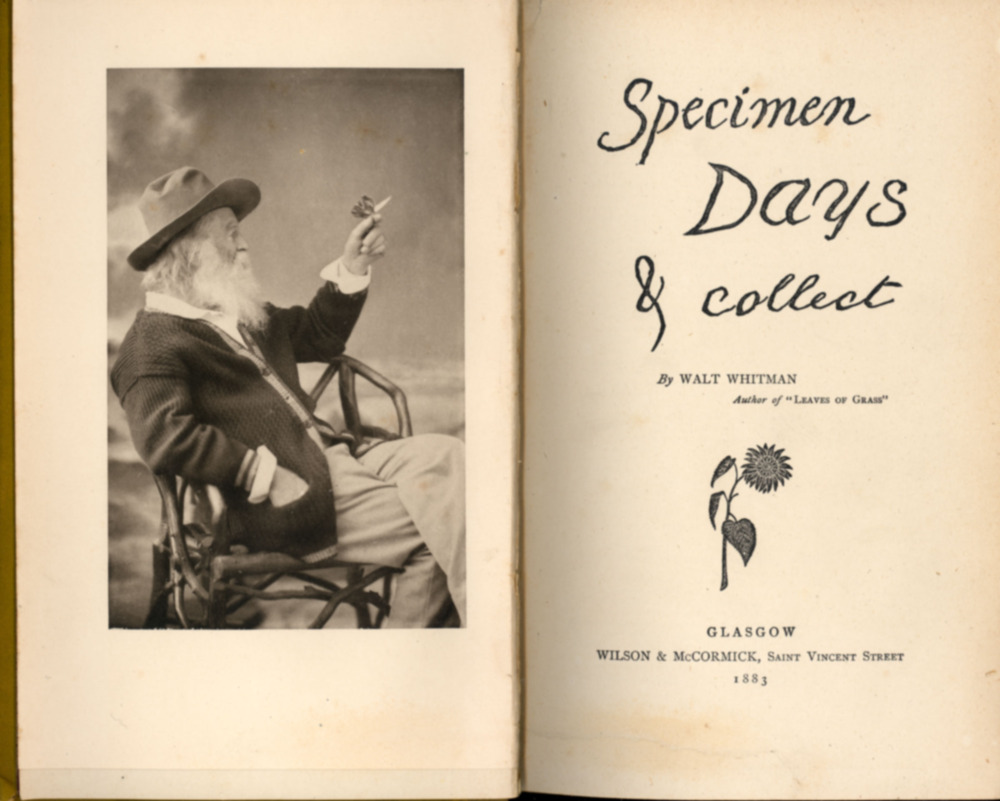
The walk continues with observations of nature's details: bursting wild-cotton pods revealing their "flossy-silky contents" and dark seeds. A "startled rabbit" adds a brief moment of wildness. The narrator then actively engages with the environment, plucking "balsamic life-ever-lasting" to keep in a pocket for its scent. This suggests a desire to capture or preserve a sensory experience amidst the transient natural display.
The craft here lies in the precise, almost scientific observation of natural phenomena and the subtle shift in the narrator's interaction. The language is descriptive and sensory, moving from visual (frost, veil, patches, pods, seeds) to olfactory (balsamic scent). The contrast between the dramatic visual of the frost and its swift disappearance highlights the ephemeral nature of the moment, while the act of collecting the "life-ever-lasting" points to a personal, sensory anchoring against that transience.
This piece resonates because it captures that specific feeling of a crisp autumn morning, where beauty is intense but temporary. The narrator’s actions—observing, noting, and then collecting—mirror a common human impulse to hold onto fleeting moments of sensory pleasure, making the personal experience feel both intimate and universally understood.
 View Artist