Song Meaning
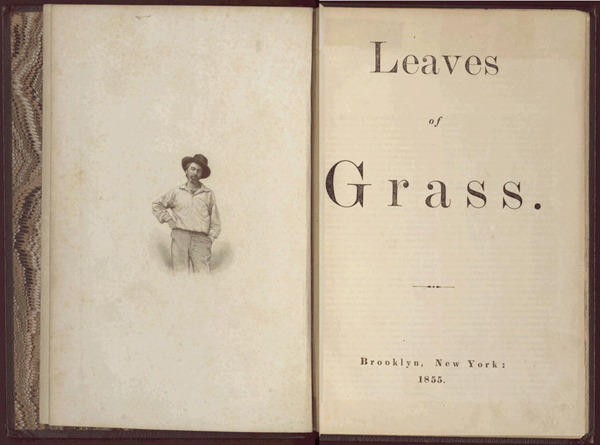
The lyrics present a stark, almost Whitmanesque declaration of self-renewal, framing life as a constant cycle of death and rebirth. The opening line immediately establishes this paradox: "O living always, always dying!" It's a visceral acknowledgment of shedding past selves, a process the narrator views with a peculiar contentment. This isn't a lament for what's lost, but a pragmatic acceptance of transformation.
The central tension lies in the narrator's struggle to disengage from the "corpses of me past and present." While the present self is described as "material, visible, imperious," it's still haunted by the accumulated weight of previous iterations. The desire is to "disengage myself from those corpses," to actively leave behind the dead parts of the self that are cast aside.
The most striking aspect is the narrator's perspective on these discarded selves. They are not mourned but are objects to be "turn[ed] and look[ed] at where I cast them." This detached observation highlights a powerful will to move forward, to embrace the "always living!" aspect of existence. The repetition of "O" lends a dramatic, almost liturgical quality to this internal drama of self-creation.
Ultimately, these lyrics resonate because they capture the universal human experience of growth and change, not as a gentle evolution, but as a series of decisive breaks. The narrator's ability to "pass on, and leave the corpses behind" speaks to a profound, albeit stark, affirmation of life's continuous, forward-moving momentum.
 View Artist