Song Meaning
The narrator stands by the Potomac, feeling an overwhelming return of youthful energy and sensory delight. The repeated "again" emphasizes a cyclical renewal, a vibrant reawakening of the senses tied to the specific landscape of Virginia. It's a moment of pure, almost ecstatic, immersion in the natural world, where the air, the sky, and the hills all conspire to invigorate the spirit. The dominant tone is one of joyous affirmation, a celebration of life's persistent beauty.
This intense sensory experience is framed by a curious internal dialogue, questioning the "old tongue" and its "babble." This suggests a tension between the timeless, instinctual pull of nature and the more complex, perhaps weary, human consciousness. The narrator seems to be wrestling with the urge to simply *be* in the moment versus the impulse to articulate or analyze it, a struggle between raw feeling and intellectualization.
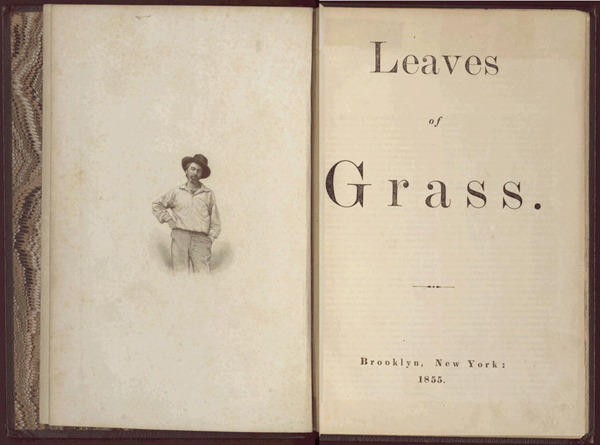
The most striking craft element is the direct address to the natural elements and the book. The narrator implores the roses, the river, the spring, the hills, and the grass to imbue his book with their essence. This personification elevates the natural world from mere backdrop to active participants in the creative act, suggesting that true art must be infused with the vitality of the earth itself. The repetition of "O" amplifies this plea, turning it into an almost sacred invocation.
Ultimately, the lyrics resonate because they capture that rare, exhilarating moment when the external world feels so potent it demands to be preserved. The narrator's desire to "put between its pages" the "freshness and the odors" speaks to a profound yearning to capture fleeting beauty, making the act of writing itself a way to hold onto life's most vibrant experiences. The poem becomes a testament to nature's power to inspire and renew, urging us to absorb its richness before it passes.
 View Artist