Song Meaning
The lyrics open with an immediate, powerful address to a revered figure, identified as a "King" and "Leader." There's an urgent call for this authority to take charge of the land. The tone is reverent and full of expectation, signaling a momentous occasion for the community.
A core tension emerges between the sacredness of the ancestral land and the pressing need for a specific kind of rule. The repeated declaration, "Is'khathi sifikile," meaning "The time has come," builds a palpable sense of destiny and urgency. This isn't just a request; it's an affirmation that a moment of transition or ascension is at hand, demanding action.
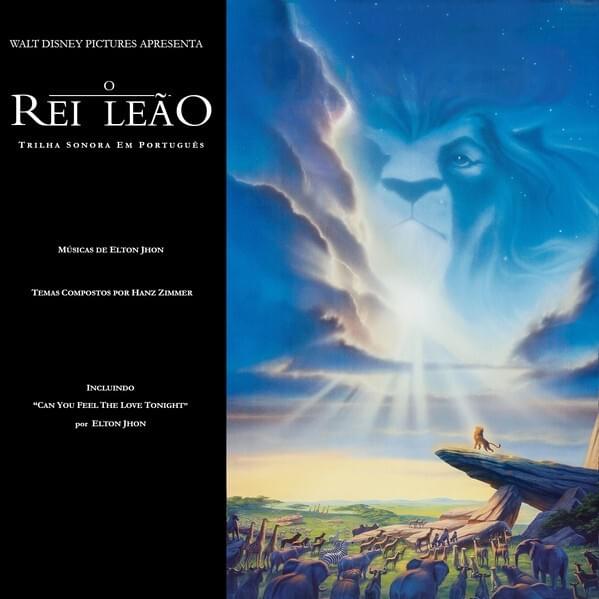
The craft truly shines in the deliberate repetition and the striking shift in language. The insistent chant of "Busa" (Rule) and the specific naming of "Busa Simba" imbues the lyrics with a ritualistic, almost mythic quality, suggesting an archetypal leader. This powerful, localized call then expands, transitioning to Portuguese with "Ciclo sem fim," which broadens the scope from a specific ruler to a universal, unending pattern of existence and leadership.
These lyrics are effective because they blend the intensely personal with the cosmically grand. The vivid animal imagery, referencing a lion and a leopard, evokes strength and natural order, while the repeated demands for rule with peace and love ground the power in ethical leadership. The final lines, acknowledging an "endless cycle," offer a profound reflection: even this urgent moment of coronation is part of a larger, ongoing narrative, making the specific plea resonate with timeless significance.