Song Meaning
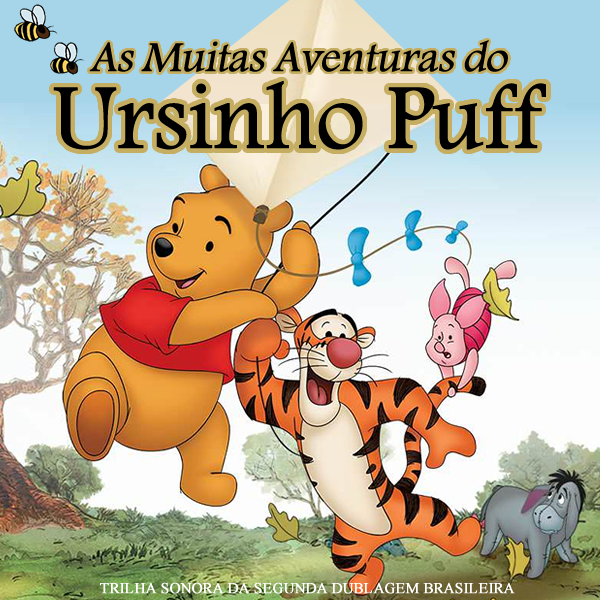
The lyrics paint a picture of a character, likely Pooh Bear, engaging in a cycle of physical exertion and immediate indulgence. The simple counting, "Um, dois" (One, two), paired with "toco o chão" (I touch the ground), establishes a rudimentary exercise routine. This is immediately followed by the declaration "Eu vou emagrecer" (I will lose weight), setting up a clear intention. However, this goal is quickly undermined by the subsequent line, "Pra depois comer" (To eat afterwards), revealing the true, short-lived purpose of the exercise: to create an appetite.
The central tension arises from the narrator's conflicting desires and self-awareness. He boasts, "Eu sou fortão" (I am strong), and "Minha fome aumentou / Por me exercitar" (My hunger increased / From exercising), but this strength is immediately channeled into a ravenous appetite, described as "Fome de cão" (Dog's hunger) and later "apetite de leão" (lion's appetite). The dialogue interjection about losing fur and feeling better is a brief, almost nonsensical detour, before returning to the core obsession: food. The narrator admits, "Acho que errei / Exagerei" (I think I made a mistake / I overdid it), acknowledging the excess, yet this realization doesn't curb the desire.
The most striking craft element is the direct, almost childlike simplicity of the language juxtaposed with the primal urges it describes. The repetitive counting and physical action ("Um, dois") acts as a metronome for both the brief exercise and the overwhelming hunger. The shift from the narrator experiences is not one of self-improvement but of immediate gratification; the exercise is merely a prelude to consumption. This is encapsulated in the lines "Eu como e peço bis" (I eat and ask for more), highlighting a lack of restraint that is presented as a source of happiness.
Ultimately, these lyrics are effective because they capture a relatable, albeit exaggerated, struggle with impulse control and the pursuit of simple pleasures. The narrator's admission of error is quickly superseded by the joy derived from satisfying his voracious appetite, culminating in the repeated, emphatic statement, "Eu sou por demais feliz" (I am too happy). The humor and charm lie in this unashamed embrace of immediate satisfaction over long-term goals, making the character's cycle of exertion and gluttony endearing.
 View Artist