Song Meaning
This song paints a picture of a sudden, unexpected connection between two strangers, sparked by a single, unplanned gesture. The imagery of a "papillon rose" (pink butterfly) and a "fleur offerte" (offered flower) suggests a delicate, almost magical beginning to something new. It’s a moment of pure serendipity, where the mundane is transformed into something potentially extraordinary, hinting at the start of a fairy tale.
The core tension lies in the fragility of this newfound bond and the underlying fear of misjudgment. The lyrics question how one can be sure that the initial apprehension has vanished, asking "comment savoir la peur envolée que l'on s'est trompé..." (how to know the fear has flown that we were mistaken...). This introduces a note of doubt, a recognition that even in moments of apparent joy, uncertainty can linger.
The most striking craft element is the juxtaposition of the "Histoire éternelle" (eternal story) with the idea of a "refrain fané" (faded chorus) and the natural, almost passive process of change. The lyrics note, "C'est vrai c'est étrange, de voir comme on change, sans même y penser..." (It's true it's strange, to see how we change, without even thinking about it...). This contrast highlights how even seemingly timeless narratives are subject to the subtle, often unnoticed shifts that time brings.
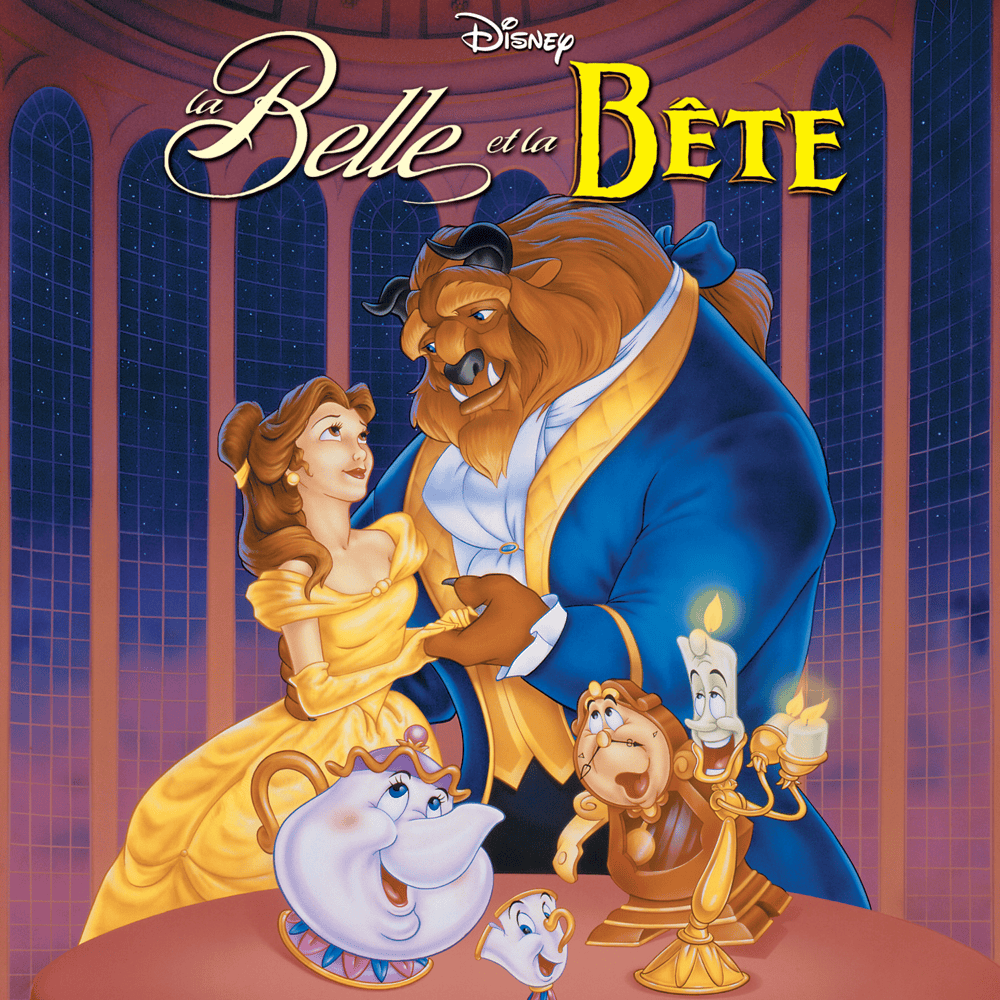
Ultimately, the effectiveness comes from its gentle acknowledgment of both the magic of connection and the inevitability of change. The final lines, linking the "Histoire Éternelle" to "La Belle et la Bête" (Beauty and the Beast), suggest that these grand, timeless tales are woven from ordinary moments and the quiet transformations we undergo, both individually and together.
 View Artist