Song Meaning
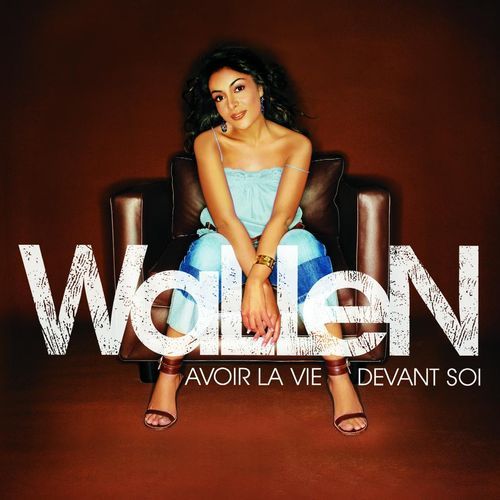
Wallen's "Un Amour" isn't a simple love song; it's a stark, emotionally devastating portrait of love intertwined with betrayal and violence. Sung in French, the lyrics initially paint a picture of idyllic devotion. The narrator recalls falling in love instantly, planning a life together, and anticipating the birth of their child, Laura. This initial vision of domestic bliss, however, quickly unravels, revealing a relationship shadowed by secrets and danger. The line, "Huit mois se sont écoulés / L'hiver a un goût d'été" (Eight months have passed / Winter has a taste of summer), hints at a desire to hold onto warmth and happiness amidst growing unease. The mention of naming their child Laura and wanting her to have "tout de toi / Mais surtout ton regard" (everything from you / But especially your eyes) underscores the depth of the narrator's initial faith and investment in the relationship.
The chorus, "Peu m'importent les épreuves / Ce qu'engendrent tes erreurs" (I don't care about the hardships / What your mistakes bring about), acts as a tragic mantra. The narrator is willing to overlook flaws and endure hardships, clinging to the belief that "Rien ne meurt, tout renaît / Après la nuit vient l'aube" (Nothing dies, everything is reborn / After the night comes the dawn). Yet, this resilience is tested to its breaking point. The second verse introduces a stark shift in tone as the narrator witnesses a clandestine meeting, complete with a gun and a sense of imminent threat. The line, "J'ai vu un échange dans le noir / L'homme qui t'accompagne sort une arme / Un coup de feu retentit..." (I saw an exchange in the dark / The man with you pulls out a gun / A gunshot rings out...) dramatically shatters the illusion of safety and exposes the dark undercurrents of her partner's life.
The final verse culminates in a moment of intense emotional conflict. The narrator confronts her partner, who is now facing a gun himself. Despite the betrayal and the danger, she feels pulled back by his pain: "Ta douleur m'a rappelée vers toi" (Your pain has called me back to you). The repetition of "Je n'reviendrai pas" (I will not come back) highlights the inner turmoil. The meaning of "Un Amour" resides in this agonizing paradox: the simultaneous desire to escape and the inability to fully sever the emotional bond. It's a chilling exploration of how love can persist even in the face of profound disillusionment and life-threatening circumstances, leaving the listener with a profound sense of unease and a lingering question of whether love, in its most extreme forms, can become a trap.
 View Artist