Song Meaning
Wallen's "Lui" is a masterclass in French pop minimalism, cutting straight to the raw nerve of yearning. The song meaning isn't buried in complex metaphors; it's laid bare in the repetition of "Lui" – Him. It's a primal scream disguised as a Parisian rendezvous. The opening lines, painting a picture of carefully applied makeup and the desperate question of beauty reflected in the mirror, immediately establish the vulnerability at the song's core. She's not just preparing for a date; she's preparing herself, seeking external validation for an internal void. The repeated desire for him to reciprocate her love underscores this deep-seated insecurity.
What elevates "Lui" beyond a simple love song is the acknowledgment of a complex, perhaps even toxic, dynamic. He's not just her love; he's her "errance, mon repère aussi" – her wandering, her landmark. This duality suggests a relationship built on instability, where he simultaneously grounds her and leads her astray. The line "ma douleur, mon remède aussi" further complicates the narrative. He is both the cause and the cure, a dangerous paradox that speaks to the addictive nature of unhealthy relationships. The fleeting references to past shared experiences – "première danse," "correspondance à gare du nord" – hint at a history, a shared language that deepens the bond, however fractured.
The song culminates in the simple act of arriving at his door, the mundane "oui allo?" shattering the romantic tension. Yet, even this anticlimactic moment is charged with anticipation. The relief in "Dès que j'entends sa voix / Dés qu'il me prends dans ses bras" is palpable. Ultimately, "Lui" is a study in emotional dependency, a stark portrayal of the intoxicating and destructive power of a love that defines and confines the self. It’s a reminder that sometimes, the object of our affection is also the architect of our pain.
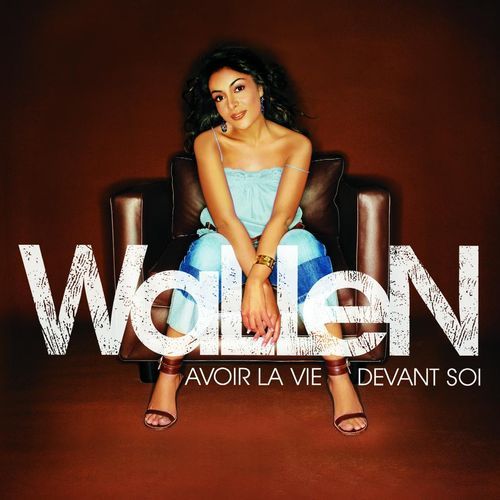
 View Artist