Song Meaning
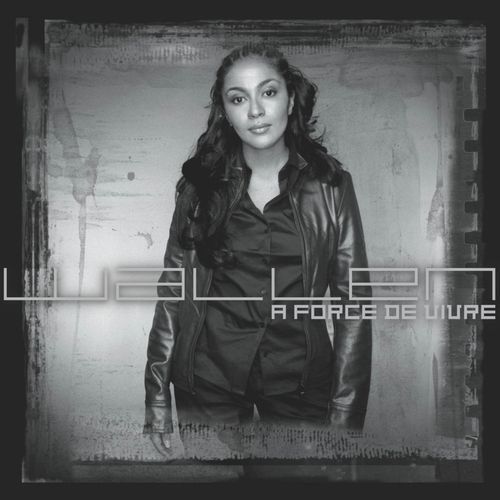
Wallen's "Intro - il était une fois" is less a song and more a spoken-word prologue, a portal into the emotional landscape of her work. The opening line, "Il était une fois" (Once upon a time), immediately casts a fairytale spell, but this is no Disney fantasy. It's the beginning of a raw, personal narrative. The lyrics lay bare a journey from blindness to seeing, not with the eyes, but with the heart. Wallen suggests that life's accumulation of pain, joy, dreams, and disillusionment can obscure our vision, creating a need to reconnect with deeper feelings. The spoken words imply a rebirth, a choice to break silence and embrace the power of music as a means of communication and connection.
The phrase "Aveuglée par les larmes, je croyais ne rien voir" (Blinded by tears, I thought I couldn't see anything) is particularly poignant. It speaks to the way trauma and sadness can distort perception, creating a sense of isolation and hopelessness. Yet, Wallen finds solace and clarity in music, suggesting that it transcends the limitations of language. The recurring emphasis on the heart—"On n'voit bien qu'avec le cœur" (One sees well only with the heart)—echoes Antoine de Saint-Exupéry’s *The Little Prince*, implying that true understanding comes from emotional intelligence rather than rational thought.
Ultimately, "Intro - il était une fois" acts as both an origin story and a manifesto. It’s a declaration of artistic intent, a promise to use her voice to explore the complexities of human experience. The final lines, driven by faith and a refusal to be silent, build to a crescendo of hope. She will sing "jusqu'à c'qu'amour s'ensuive" (until love follows), the song suggests that through vulnerability and artistic expression, love and understanding can emerge. This intro is less about melody and rhythm, and more about setting the stage for an album driven by profound emotional depth.
 View Artist