Song Meaning
The lyrics open with a surreal image: a "palais de justice of chambermaids" dominating the skyline. This grand, imposing structure, usually associated with high authority, is unexpectedly linked to the humble, everyday work of chambermaids. It immediately establishes a sense of inverted power or a critique of societal hierarchies.
A deep-seated dissatisfaction emerges as the narrator muses that if this peculiar justice system were "lost in Å°bermenschlichkeit," humanity's "wretched state would soon come right." This suggests a longing for a transcendent, perhaps superhuman, intervention to rectify fundamental human flaws, implying current systems are failing.
The core irony lies in the final lines: "the brave dicta of kings" — pronouncements from traditional figures of power and wisdom — paradoxically "Make more awry our faulty human things." This isn't just a failure to improve; it's an active worsening of affairs, highlighting a profound disillusionment with established authority.
These lyrics effectively critique the inherent flaws in human governance and the often-futile attempts to impose order. By contrasting the grand architectural imagery with the mundane and the philosophical concept of superhumanity with "faulty human things," the writing creates a sharp, cynical commentary on the persistent failures of leadership to truly elevate the human condition.
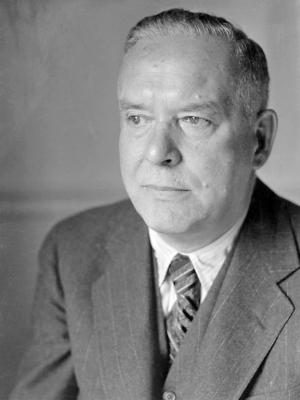
 View Artist