Song Meaning
The lyrics paint a picture of someone caught in the unpredictable currents of love, questioning the very nature of fate and affection. The opening lines, "ضحك الزمان ليه ولا ضحك عليه لما بعتلي عنيك" (Why did time laugh at me or laugh with me when it sent me your eyes?), immediately establish a tone of bewildered resignation. The narrator feels like a pawn of destiny, receiving eyes that are simultaneously described as "الغرام" (love) and a source of confusion. This sets up a central tension: the divine or fated introduction to love versus the personal turmoil it brings.
The core conflict lies in the narrator's profound uncertainty about the beloved's true feelings and intentions. They oscillate between feeling cherished and forgotten, asking "مرة فاكرني ومرة ناسيني وبتلعب بيه" (Sometimes remembering me, sometimes forgetting me, playing with me). This emotional whiplash is amplified by the narrator's own internal struggle, caught between the desire to approach and the fear of distance: "مش عارف اقرب او ابعد عن حبك تاني" (I don't know whether to get closer or further from your love again). The lyrics suggest a deep-seated anxiety that promises of love might be fleeting, a fear that "وانت بتوعد عاوز تنساني" (while you promise, you want to forget me).
A striking element is the narrator's self-awareness of their own vulnerability, particularly their transparent emotions. They confess, "وانا عيبي اني اللي في قلبي باين في عنيه" (And my flaw is that what's in my heart shows in my eyes). This contrasts sharply with the perceived ambiguity of the beloved, creating a dynamic where one is an open book and the other remains an enigma. The lyrics highlight this disparity through the phrase "في عيونك حاجه بتوعدني في مليون حاجة بتبعدني" (In your eyes, something promises me; in a million things, something distances me), illustrating the confusing duality of the beloved's gaze and actions.
Ultimately, the effectiveness of these lyrics stems from their raw depiction of emotional paralysis and the painful realization that fate's gifts can be double-edged. The narrator's lament isn't just about a specific relationship but about the agonizing uncertainty that love can introduce, especially when one's own heart is laid bare while the other's remains hidden. The writing captures that disorienting moment when destiny seems to have intervened, only to leave one adrift in a sea of doubt and unrequited emotional transparency.
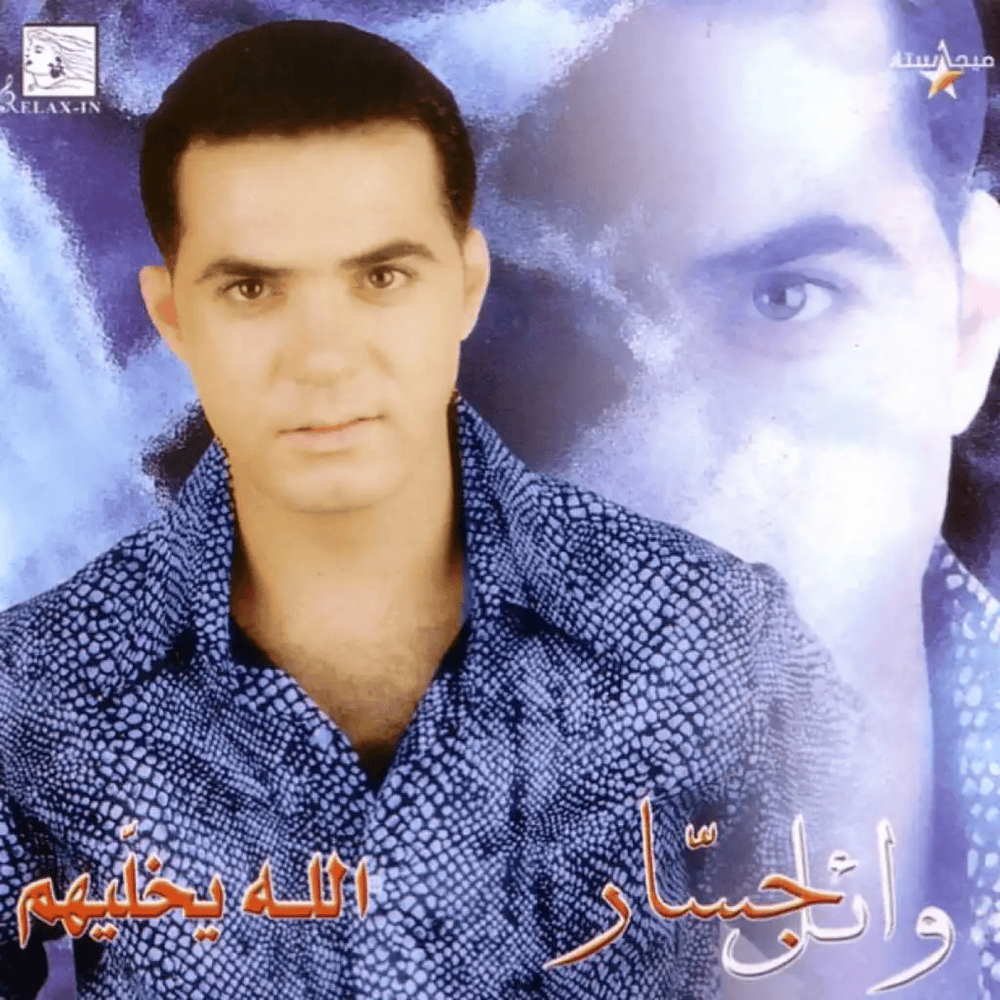
 View Artist