Song Meaning
Wade Hayes' "Summer Was a Bummer" isn't just a country lament; it's a masterclass in emotional dependency, thinly veiled in rural imagery. The song's lyrical core revolves around the return of Mary Ann, framed as the sole antidote to a year of existential and agricultural blight. The opening lines, dripping with forced casualness ("Hello Mary Ann, Can't Tell You How Good It Is To See You Again"), betray a deeper desperation. He catalogs her family and even the dog, grasping for connection to a past that seemingly defined his happiness. The almost pathetic recitation of seasonal woes isn't about the weather at all; it's a metaphor for a life rendered barren by her absence. Summer wasn't just bad; it was a "bummer," amplified by a "no good for nothing fall" and a winter laden with snow. This isn't about farming; it's about feeling. The washed-away bumper crop represents the protagonist's failed attempts to cultivate any joy or meaning in Mary Ann's absence. The entire emotional ecosystem of his life hinges on her presence.
The subtle shift in the second verse reveals the extent of this reliance. Learning she's moving back triggers an almost manic excitement. The mundane details – her address, her phone number – become objects of intense fascination, culminating in the awkwardly eager invitation for a date "tonight." The repetition of "Right Now's Just Fine With Me, Right Now's Just Right" underscores his anxiety and need for immediate validation. He confesses that even during her silence, his love persisted, showcasing a devotion that borders on unhealthy obsession. The bridge isn't just a recap; it's a re-contextualization. While the previous year brought agricultural and emotional devastation, her return promises a bountiful harvest of love. The line "Granted I Don't Know A Whole Lot About The Weather" is key; he admits that the external world is irrelevant. His emotional state is entirely determined by Mary Ann's presence.
Ultimately, "Summer Was a Bummer" explores the precarious nature of happiness when it's externally validated. Hayes crafts a portrait of a man whose well-being is inextricably linked to another person, highlighting the dangers of such profound dependency. The song's power lies in its deceptively simple narrative, revealing a complex emotional landscape beneath the surface of a seemingly straightforward country tune. It invites us to consider the sources of our own happiness and the potential pitfalls of placing our emotional well-being in the hands of another.
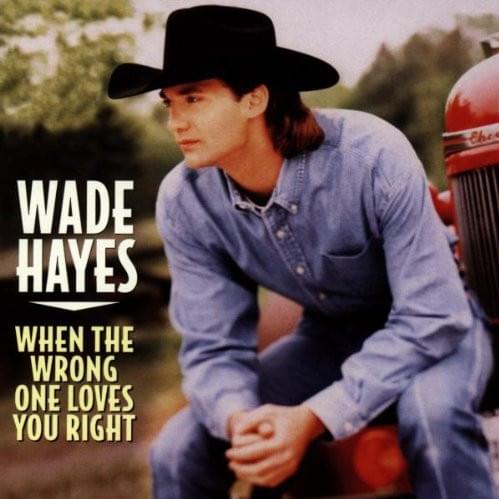
 View Artist