Song Meaning
Wade Hayes's "Goodbye Is The Wrong Way To Go" isn't just another country breakup song; it's a plea from the trenches of a relationship teetering on the brink. The opening scene is vivid: a sister impatiently waiting, a blaring car horn, the universal symbol of a lover's departure looming. The protagonist finds himself in a desperate, last-ditch effort to salvage what's left. Her tears, his regrets, the removal of the ring – these are not casual gestures, but seismic shifts signaling the potential end. Yet, Hayes refuses to surrender to the easy narrative of 'calling it quits.' He's not interested in a clean break, suggesting a deeper understanding that relationships are complex, messy, and rarely benefit from scorched-earth tactics. The phrase 'Goodbye is the wrong way to go' becomes a mantra, a refusal to accept defeat.
The song's core resides in the tension between acknowledging the damage and believing in repair. Hayes admits to harsh words and missteps ('We both said some things that we can't take back'), a refreshing dose of honesty often missing in breakup anthems. However, this isn't an apology tour. It's a call to action, fueled by the conviction that their history, the 'so far' they've come, outweighs the current strife. The lyrics gently push against the modern impulse to discard what's broken, advocating instead for a willingness to fight. The line 'Anything worth having is worth fighting for' isn't a cliché here; it's the heart of the song's meaning.
Ultimately, "Goodbye Is The Wrong Way To Go" explores the psychology of commitment versus convenience. It's an argument against impulsive endings, a defense of the hard work required to sustain love. The final verse hints at a solution rooted in patience and reconciliation: 'If you stay the night, I know we can make this work out right.' This isn't a guaranteed fix, but an invitation to pause, reconsider, and perhaps find a path forward that avoids the finality of goodbye. The song suggests that sometimes, the bravest and most rewarding choice is to confront the issues, rather than running from them.
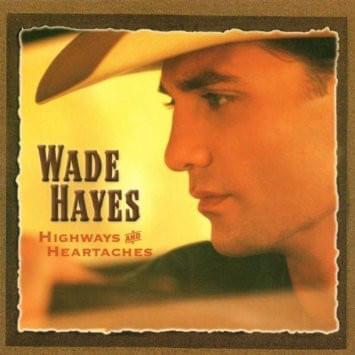
 View Artist