Song Meaning
The lyrics paint a picture of someone chasing a distant, luminous figure through a fading world. The opening lines describe a sudden awakening, a dreamlike vision of the beloved appearing in the "dull dawn light" and "morning mist." This initial encounter sparks an undeniable urge to pursue, a feeling that the narrator "must chase you." The journey is framed as moving from a "shining city light" towards a place where the narrator becomes a "firefly," suggesting a transformation or a descent into a more ethereal, perhaps less tangible, realm.
The core tension lies in the desperate plea for the beloved to simply "stay a moment" because the narrator is so close to reaching them. The repeated phrase "Can't you see this path I'm taking to you?" highlights a profound sense of being unseen or unacknowledged by the object of pursuit. The narrator insists, "I'm almost there, today, today," emphasizing the urgency and the belief that the goal is imminent, yet the plea suggests it remains out of reach.
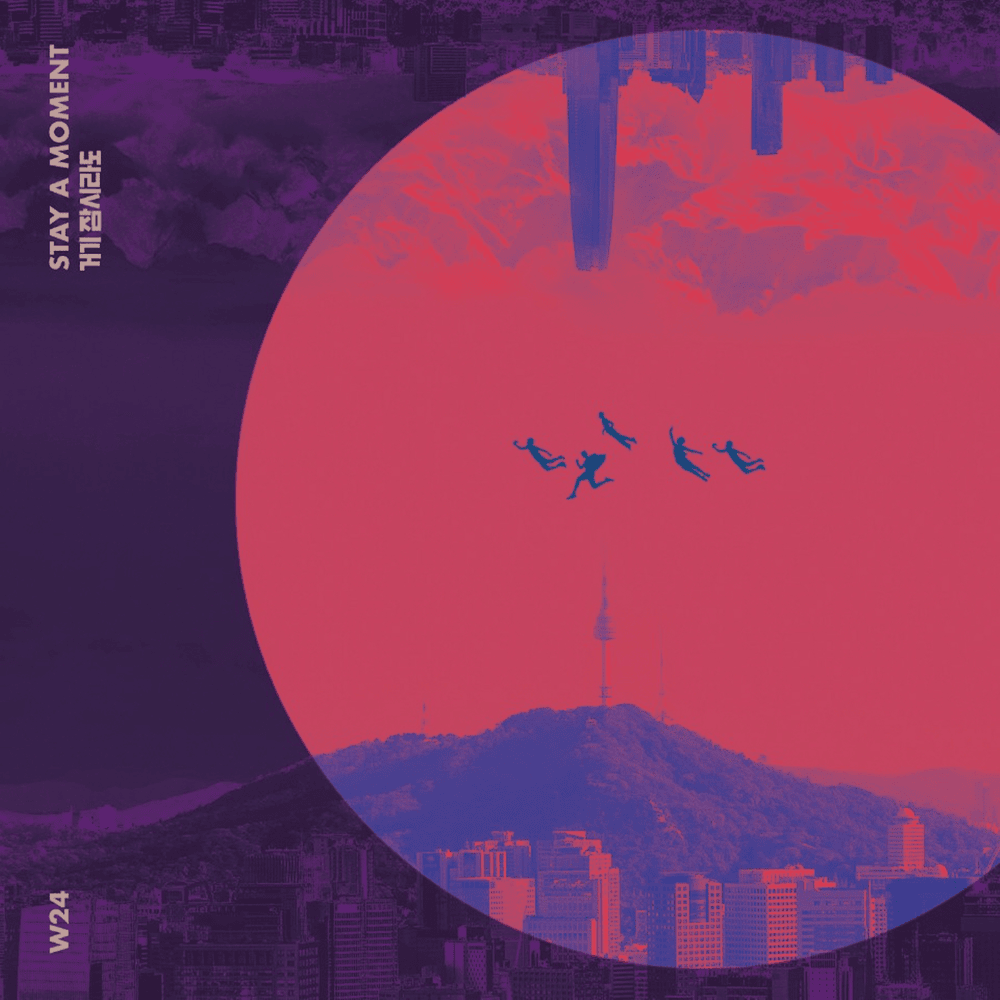
The imagery of the "redly bloodshot sunset" and the "ground I step on sinking" creates a sense of a world in decay or collapse, yet the narrator presses on, even sitting by a "bonfire" to watch the night pass, following the beloved's path. This persistence, even as the surroundings become more challenging, is underscored by the pre-chorus, where deeper thought and higher aspiration still lead back to the same realization: the narrator has "seen what I've always seen" regarding the beloved. This suggests a cyclical or unchanging nature to the pursuit, despite the narrator's efforts.
Ultimately, the effectiveness of these lyrics stems from their blend of hopeful persistence and underlying desperation. The narrator’s unwavering focus on reaching the beloved, even as the world seems to fall apart, creates a poignant portrait of longing. The simple, direct plea to "stay a moment" coupled with the insistent "I'm almost there" captures the ache of being on the cusp of connection, yet still separated by an invisible distance.
 View Artist