Song Meaning
The lyrics paint a stark picture of impending finality, opening with a mournful "Weh, au weh" that sets a tone of deep sorrow and resignation. The narrator repeatedly questions who will perform essential, yet somber, tasks after their departure. These aren't grand pronouncements, but intimate, practical concerns: who will carry them, dig their grave, or even tend to a chapel playing their favorite songs? The focus is intensely personal, highlighting the anxieties surrounding being forgotten or left uncared for in death.
The central tension lies in the narrator's profound uncertainty about their legacy and the practicalities of their absence. The repeated questions, "Wer wird mi am Bugel trag'n?" (Who will carry me on a bier?) and "Wer wird mir a Gruab'n grab'n?" (Who will dig me a grave?), reveal a fear of being alone even in death. This isn't about a grand afterlife, but about the immediate, earthly aftermath and the potential for complete abandonment. The questions about saving money ("Für wen soi i a Göd zamspar'n?") further underscore this, suggesting a life's work that might have no one to benefit from it.
The most striking aspect of the craft is the relentless, almost ritualistic repetition of the "Weh, au weh" refrain, mirroring the persistent ache of sorrow. This is juxtaposed with the direct, unadorned questions that follow. The imagery of "mordsdrum Sta hizah'n" (heaving the coffin into the grave) and pulling out "Staud'n" (bushes or weeds) before they "verwölkt" (overgrow) creates a tangible sense of the physical labor involved in burial and the natural process of decay. The "dunklen Kammerl" (dark little room) where light might be needed and where screams might be heard adds a claustrophobic, intimate dread.
These lyrics resonate because they tap into a primal fear of isolation and the desire for remembrance, however small. The narrator isn't asking for monuments, but for basic human acknowledgment and care. The simple, direct language, devoid of elaborate metaphor, makes the plea feel raw and urgent. The questions hang in the air, unanswered, leaving the listener with the weight of the narrator's vulnerability and the quiet tragedy of facing the end alone.
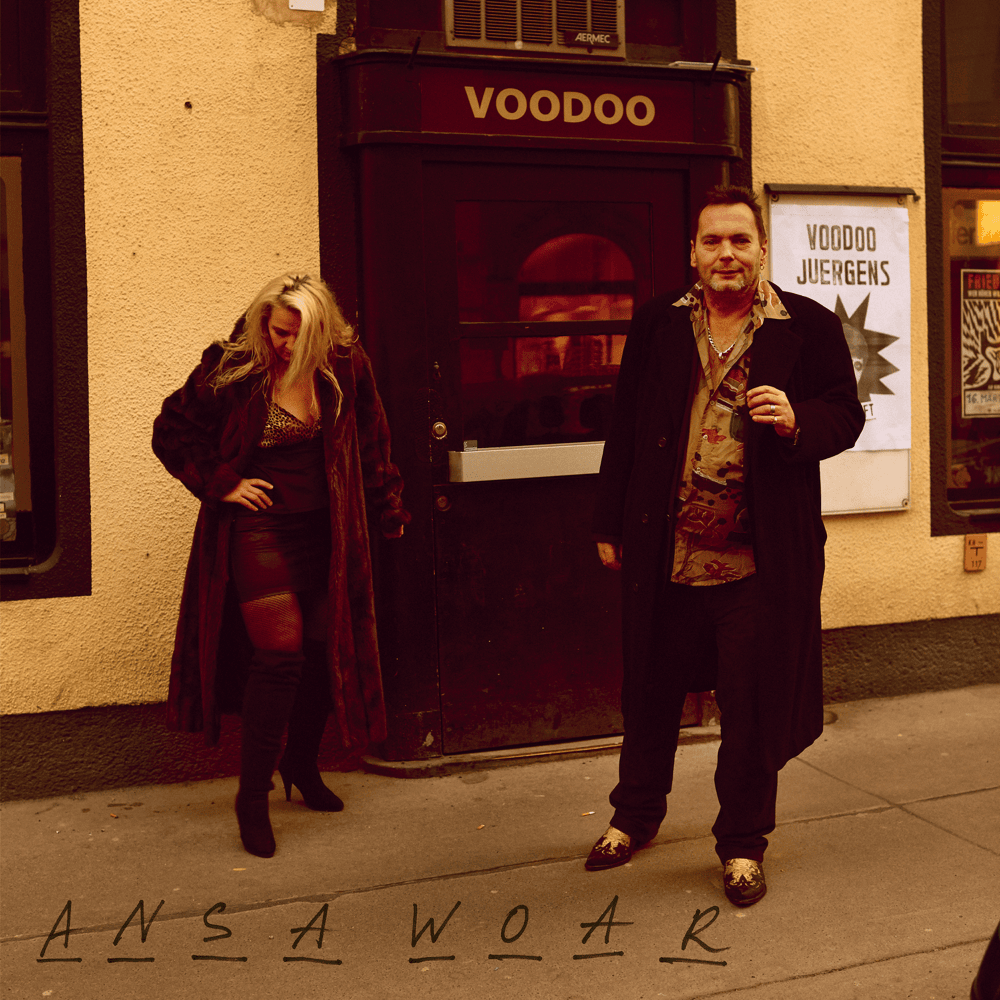
 View Artist