Song Meaning
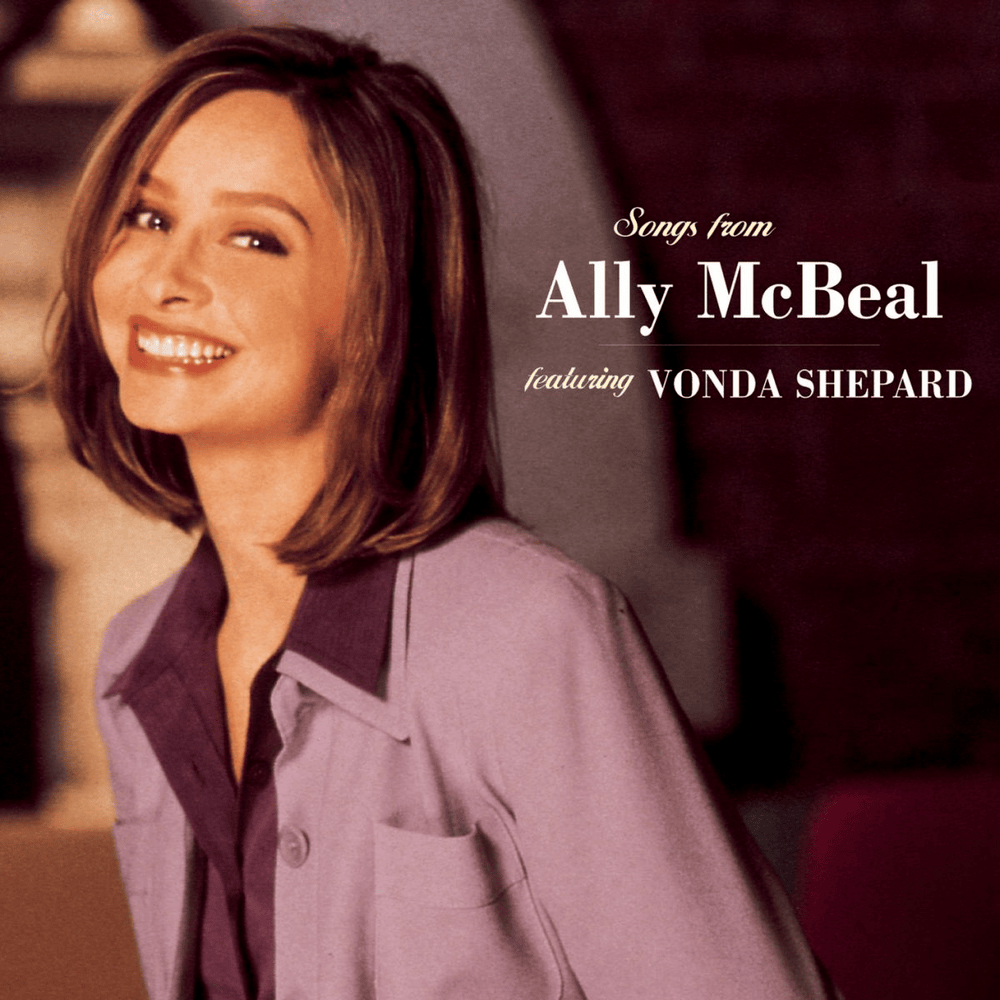
Vonda Shepard's "ZESTY" operates as a poignant exercise in melancholic nostalgia, a sonic scrapbook dipped in the sepia tones of memory. The very act of sifting through faded photographs becomes a powerful metaphor for grappling with the irretrievable past. It’s not simply remembering; it’s the realization of unspoken feelings and the sting of time’s relentless march forward. The "boy next door" represents a lost innocence, a first love perhaps unrecognized in its moment but amplified by the distance of years. The lyrics speak to a universal experience: the bittersweet ache of recognizing profound connections only after they've dissolved into the ether. Shepard isn't just recounting events; she's dissecting the emotional landscape left in their wake. It's the quintessential case of absence making the heart grow fonder, tinged with the regret of opportunities missed and words left unsaid.
The recurring motif of the "neighborhood" is crucial. It symbolizes a contained world, a microcosm of shared experiences and formative relationships. The "corner where we stood," "Dad's old car" – these aren't just details; they're anchors to a specific time and place, grounding the speaker in a reality that no longer exists. The car that "never got us very far" subtly hints at the limitations and eventual dissolution of that insular world. The repeated line "Just thought I'd take one more look" betrays a deeper yearning, an almost desperate attempt to recapture the feeling of belonging and connection. It suggests a fear of forgetting, a desire to hold onto the fragments of a past that's slipping away.
The final refrain, "And all those friends, where did they go?" is the emotional core of the song. It's a simple question, but it resonates with a profound sense of loss and displacement. The "Oh, I don't know" isn't just an admission of ignorance; it's an acknowledgment of the inherent impermanence of human connection. This lyrical analysis reveals that "ZESTY" isn't about grand pronouncements or dramatic narratives. Instead, the song meaning lies in its quiet observation of the everyday moments that shape our lives and the lingering ache of what's been lost.
 View Artist