Song Meaning
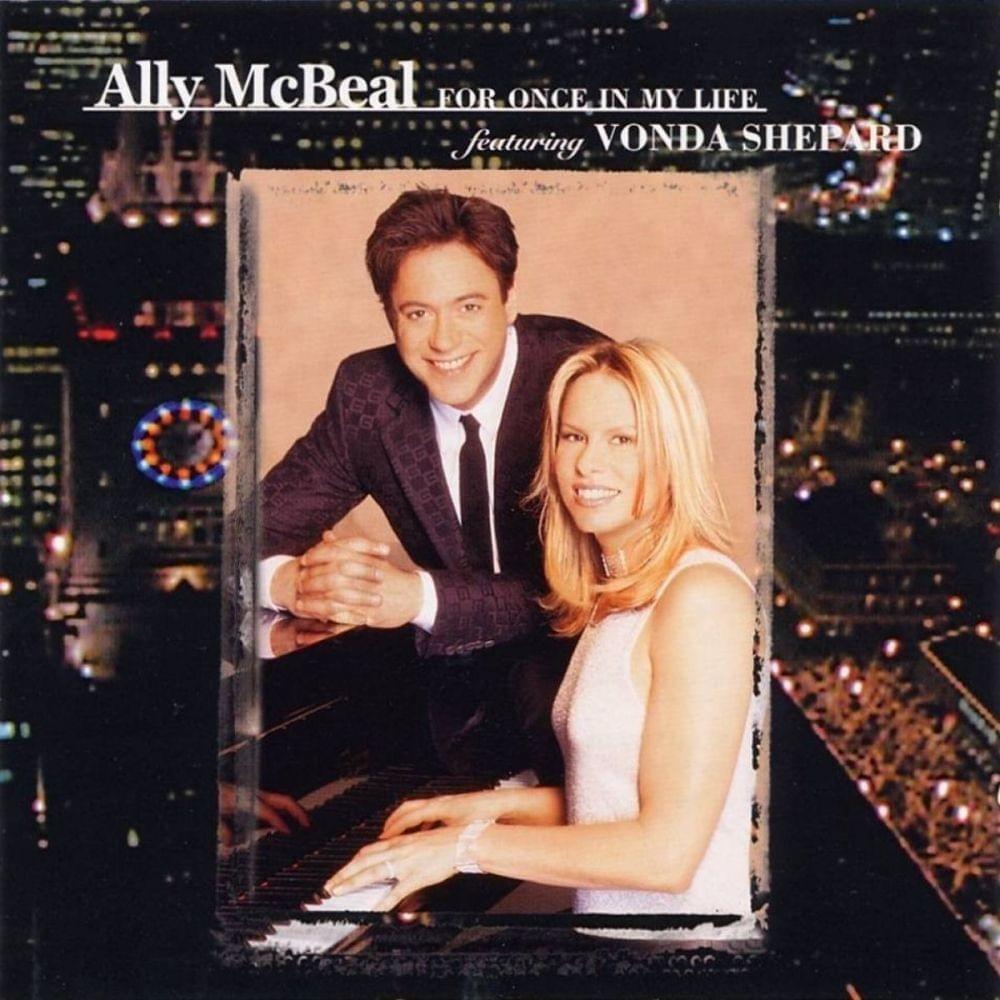
Vonda Shepard's rendition of "For Once in My Life" isn't just a cover; it's a masterclass in vulnerability and the tentative hope that blossoms after prolonged emotional winter. The song, stripped down to its core sentiment, becomes an anthem for the emotionally cautious, those who've learned to armor themselves against disappointment. The opening lines, "For once in my life I've someone who needs me / Someone I've needed so long," are not a boast, but a fragile confession. It's the quiet realization that mutual need, often perceived as a weakness, can be the very foundation of strength. Shepard's delivery emphasizes the 'for once,' underscoring a past littered with unmet needs and unfulfilled longings. It speaks to the human desire to be not just loved, but *needed*, a cornerstone of feeling truly anchored in another person's life.
The middle verses explore the lifting of fear and the tentative embrace of a future previously deemed unattainable. "For once unafraid I can go where life leads me" isn't about reckless abandon, but a newfound courage born from the security of connection. The lyrics hint at a history of sorrow and potential abandonment, anxieties that are directly confronted and seemingly overcome by the presence of this newfound relationship. It's a declaration of independence *through* interdependence, a subtle but crucial distinction. The lines, "For once I can touch what my heart used to dream of / Long before I knew / Someone warm like you / Would make my dreams come true," echo a childlike wonder, a rediscovery of innocence after years of cynicism.
The song's power lies in its simplicity and universality. It doesn't promise a fairytale ending, but rather a present-day reality where vulnerability is met with acceptance, and past hurts are acknowledged but not allowed to dictate the future. The repetition of "For once in my life I've got someone who needs me" at the close drives home the central theme: the transformative power of reciprocal need. It's a song for anyone who's ever felt alone, unneeded, or unworthy of love, and a gentle reminder that even after the harshest winters, spring can eventually arrive.
 View Artist