Song Meaning
The lyrics paint a picture of profound stagnation and isolation. The narrator describes a life of aimless movement, "walking nowhere," and waking up "without sleeping," trapped in a cycle of "the same place." This feeling of being stuck is amplified by the observation that "no one leaves here," suggesting a pervasive sense of entrapment not just for the narrator but for everyone in their environment. The repeated "Na na na na na" acts as a stark, almost hollow refrain, underscoring the emptiness of this existence.
The central tension arises from a desperate yearning for escape and connection, contrasted with the oppressive reality of their current state. The narrator pleads to be "woken up where we can both run" and taken "where you can sleep peacefully and never wake up." This desire for a shared, peaceful oblivion highlights the unbearable nature of their waking life. The plea "never wake up / In the same place without you" reveals that the isolation is deeply tied to the absence of a specific person, making the stagnation even more painful.
The most striking element is the stark contrast between the desire for movement and the reality of immobility. The lyrics repeatedly emphasize being "in the same place," yet the narrator longs to "run." This paradox creates a palpable sense of frustration. The phrase "never wake up" is particularly powerful, suggesting a wish for a permanent escape, a release from the cycle of "waking up without sleeping" in this desolate environment. The final, almost whispered "Never give me reasons to think like this" feels like a desperate plea against their own despair.
These lyrics resonate because they capture the suffocating feeling of being stuck, both physically and emotionally, and the intense longing for a radical break. The simple, direct language, combined with the powerful imagery of endless, unfulfilling cycles, creates an atmosphere of quiet desperation. The contrast between the desire for freedom and the reality of confinement, amplified by the absence of a loved one, makes the narrator's plea for escape feel deeply urgent and relatable.
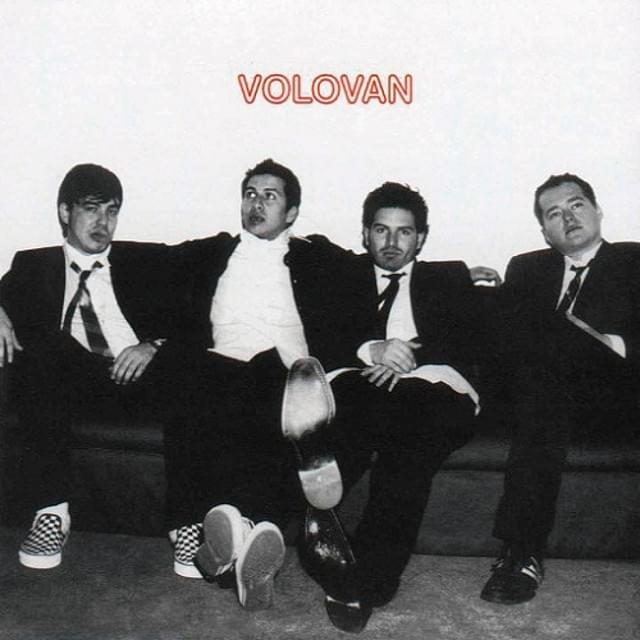
 View Artist