Song Meaning
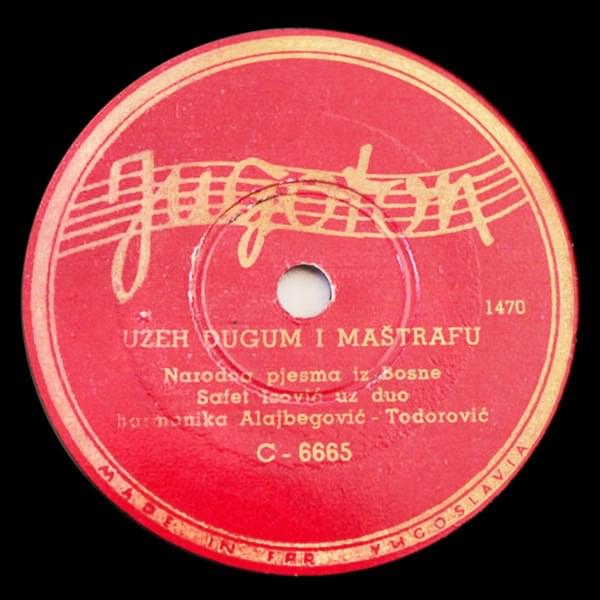
The lyrics paint a simple, tender scene of a suitor heading to fetch water, an everyday chore elevated by romantic anticipation. The repetition of "Uzeh đugum i maštrafu / Pođoh na vodu" establishes a gentle, almost meditative rhythm, grounding the listener in the narrator's purposeful journey. This initial act, carrying vessels for water, becomes the prelude to a significant encounter.
Upon reaching the water source, the narrator finds his beloved washing her face, a moment of quiet intimacy captured with "moja draga / Lice umiva." The shared space by the water transforms into a setting for affection, leading to a tender exchange described as "Grlismo se, ljubismo se / Darivasmo se." This progression from a mundane task to physical and emotional closeness highlights the romantic undercurrent of the narrator's errand.
The exchange of gifts solidifies the bond. The narrator offers a "zlatni prsten / Sa kamena dva," a tangible symbol of commitment, while his beloved reciprocates with a "vezen jagluk" (embroidered handkerchief) and "poljubca tri" (three kisses). This contrast between a precious ring and a handmade token, accompanied by simple kisses, beautifully illustrates a balanced, heartfelt exchange of affection and promise.
The effectiveness of these lyrics lies in their unadorned sincerity and the gentle unfolding of a romantic moment. The repetition creates a sense of timelessness, while the specific, yet universally understood, actions—fetching water, washing a face, exchanging gifts—build a narrative of quiet devotion. It’s the subtle elevation of the ordinary into the realm of love that makes this scene resonate.
 View Artist