Song Meaning
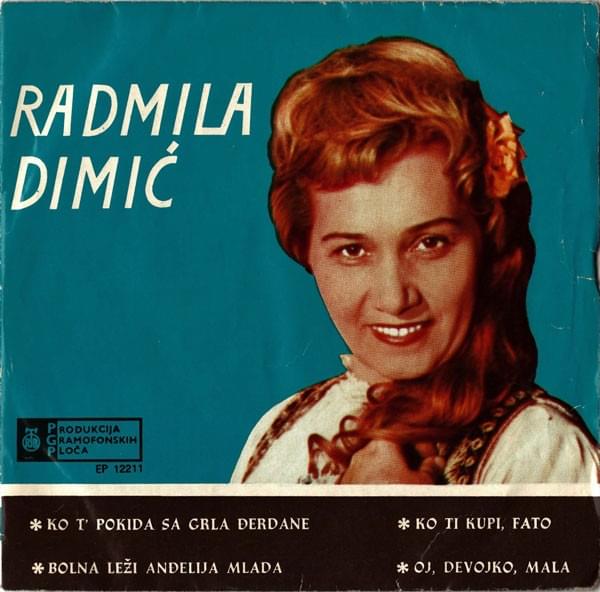
The lyrics paint a poignant picture of a young woman, Anđelija, gravely ill and conversing with her mother. Her primary concern isn't her own comfort, but a desperate wish to see the wedding procession of someone named Jovo. She believes witnessing this event, even from her sickbed, might ease her suffering, a fragile hope clinging to the edge of despair. The scene is steeped in a quiet, sorrowful intimacy between mother and daughter.
The central tension arises from Anđelija's unrequited or lost love for Jovo, juxtaposed with her own fading life. She asks her mother to lift her so she can see "Jovine svatove" (Jovo's wedding guests), revealing a deep, lingering attachment. This desire to witness his happiness, even as her own life ebbs away, highlights a profound emotional conflict – the pain of seeing the one she loves marry another, yet still wanting to see him.
The lyrics employ delicate floral imagery to articulate Anđelija's feelings. She compares her love for Jovo to a "zumbul" (hyacinth) in the garden, a flower that "grudi širi" (expands her chest) when it blooms. The wilting of this flower, "Svenu zumbul, usahnuše grudi" (The hyacinth withered, my chest dried up), directly mirrors the loss of Jovo and the physical decline of her own body. This metaphor powerfully connects her emotional state to her physical deterioration, suggesting her life force is intrinsically tied to this love.
This lyrical construction is devastatingly effective because it grounds abstract feelings of heartbreak and illness in tangible, sensory details. The request to open the window, the scent of the rose from their garden, and the comparison to a wilting flower all create a vivid, melancholic atmosphere. The narrator appears to be dying from a broken heart, her final wish a poignant testament to a love that continues to consume her even as her life slips away.
 View Artist