Song Meaning
The lyrics paint a picture of two people adrift, grappling with a sense of meaninglessness and the fear of being alone. The opening lines suggest a lack of inherent purpose, questioning the freedom to even feel sadness. This sets a tone of existential unease, where actions and emotions feel unmoored. The narrator seems to be searching for a reason to continue, finding solace in the idea that shared confusion is better than solitary despair, even if it means embracing a flawed or even "terrible" situation. The recurring image of words "dancing in the air" highlights the ephemeral nature of their connection and past pronouncements.
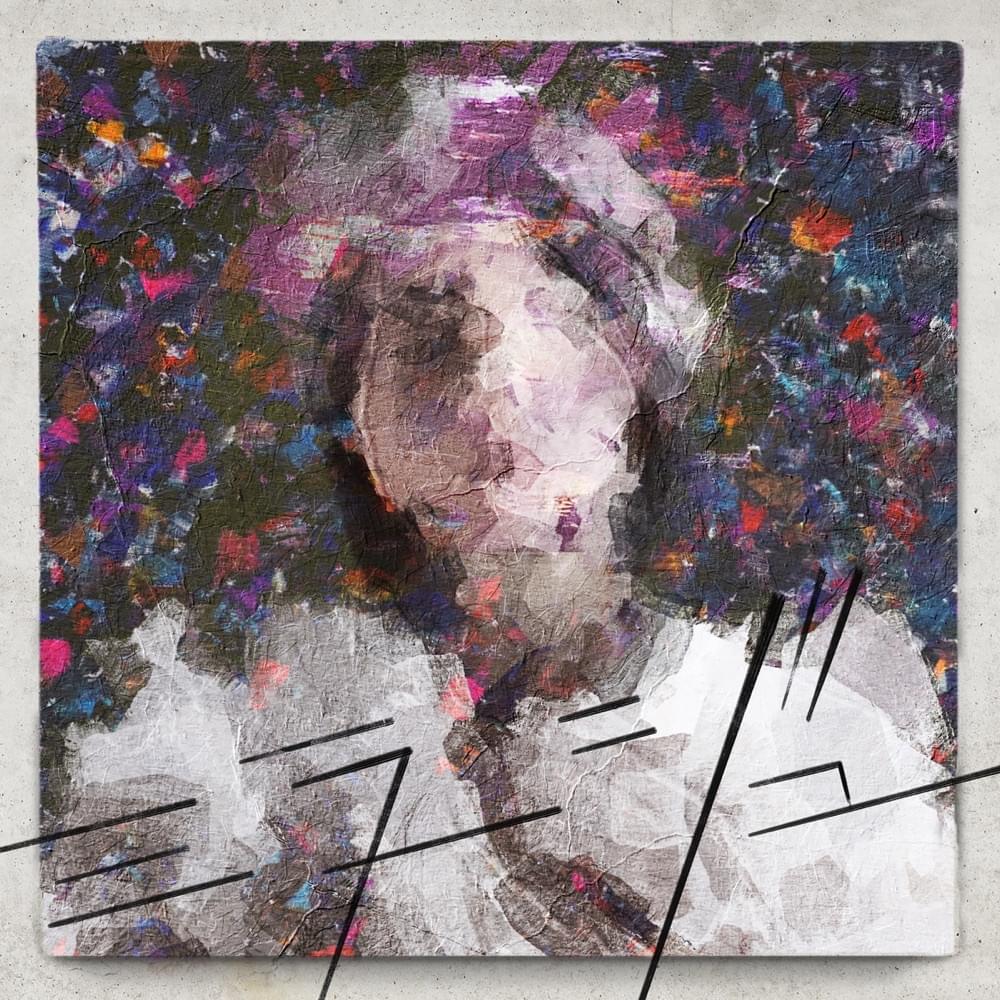
The central tension lies in the desire to hold onto something real amidst pervasive illusion. The narrator acknowledges that their shared present might be all they have, yet this "meaning-canceling" reality leaves them lost. The idea of a "mirage" is explicitly stated, suggesting that what they perceive as a path forward or a source of hope might be an illusion. Despite this, there's a yearning to simply "wander" together, to find a shared experience, even if it's within a deceptive landscape. The imagery of "sharpening topaz-colored nails" before the rain hints at a readiness for hardship, a preparedness for a storm that might ultimately cleanse or reveal.
A striking aspect of the craft is the juxtaposition of vulnerability and self-criticism. The narrator admits that "the more you have to protect, the weaker you are," a sentiment that feels both true and self-defeating. This is followed by a sharp turn, questioning the very "seriousness" and "courage" they exhibit, as if even their efforts to be strong are inherently flawed. The repeated phrase "that's why it's no good" underscores a cycle of self-doubt, where genuine effort is perceived as a weakness. This internal conflict, where striving is met with self-condemned failure, creates a profound sense of being trapped.
Ultimately, the effectiveness of these lyrics stems from their raw portrayal of emotional ambivalence and the struggle to find meaning in shared experience, even when that experience is acknowledged as potentially illusory. The narrator’s confession of wanting to simply "wander together" in a "mirage" is deeply resonant, capturing a universal human desire for connection that can override logic or the pursuit of truth. The lyrics suggest that sometimes, the shared act of being lost together is the most profound meaning one can find, a fragile anchor in a disorienting world.
 View Artist