Song Meaning
The narrator is caught in a moment of intense, unreciprocated feeling, confessing their emotions despite the risk of rejection. There's a palpable tension between the desire to connect deeply – to be a "sponge" absorbing the other person – and the fear of vulnerability, holding back from a full embrace or kiss. This internal struggle creates a fragile, uncertain atmosphere, where every word feels loaded with potential consequence.
The core conflict ignies in the chorus, where a past promise – "You said you'd never say never" – is directly contradicted by the present reality: "Now you're saying never." This stark reversal leaves the narrator feeling utterly adrift, proclaiming "I'm lost forever." The shift from a hopeful "never say never" to a definitive "never" marks a devastating emotional blow, highlighting the pain of broken expectations and the finality of the other person's decision.
The lyrics effectively use a direct, almost accusatory tone to convey the narrator's distress. Phrases like "This thing is all your fault" and "You shouldn't have taken me there" reveal a desperate attempt to externalize the pain, shifting blame rather than fully accepting the situation. This defensive posture, coupled with the admission of feeling "like a jerk" when out of control, paints a picture of someone grappling with overwhelming emotions and a loss of self.
Ultimately, the song's power lies in its raw portrayal of emotional whiplash and the devastating impact of a sudden, definitive rejection. The contrast between the narrator's deep desire and the other person's absolute refusal creates a potent sense of heartbreak. The final, echoing "Never say never, forever" serves as a bitter echo of the past promise, now twisted into a permanent state of loss.
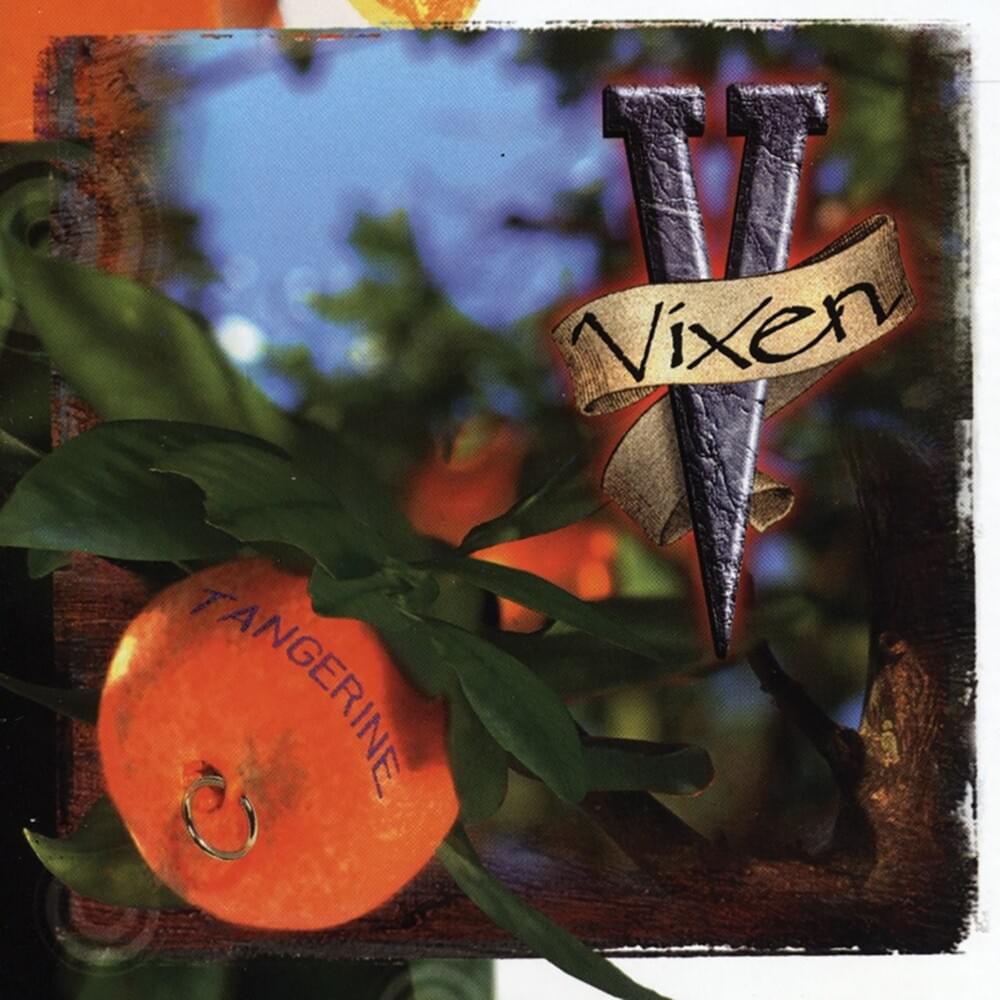
 View Artist