Song Meaning
The lyrics paint a poignant picture of longing for a past that can no longer be revisited. The narrator expresses a deep desire to return to a specific door, a place where they were once welcomed but are now absent. This yearning extends to reconnecting with friends, a wish framed by the hope that an "angel" will protect them from future losses. The repetition of "Пусть спасает их ангел от потерь" (May the angel save them from losses) underscores a profound sense of vulnerability and a desire for external protection for those left behind.
The central tension lies in the irreversible passage of time and the unfulfilled wishes it leaves in its wake. The narrator wants to "once more" knock on that door, see friends, and ask for love, but the lyrics acknowledge the futility of these desires, hinting at rejection ("Пусть опять отказ и опять слеза" - Let there be rejection again and tears again). This creates a melancholic atmosphere, a quiet ache for what was and what might have been, juxtaposed with the present reality of absence and potential pain.
The recurring motif of the "angel" serves as a powerful, albeit ethereal, source of comfort and protection. Initially invoked to guard friends from loss, the angel's role shifts in the second chorus to guarding "love" itself, suggesting a broader plea for preservation and safeguarding of emotional bonds. This celestial guardian, described as possessing "неземной красоты" (unearthly beauty) and watching "с высоты" (from above), represents an ideal, perhaps unattainable, force that can shield the beloved and love itself from the harsh realities of the world.
Ultimately, the effectiveness of these lyrics stems from their delicate balance between specific, relatable desires for connection and the abstract, almost spiritual plea for protection. The simple, direct language evokes a universal feeling of nostalgia and the quiet desperation that accompanies the awareness of lost time and fractured relationships. The recurring imagery of the angel offers a glimmer of hope, a gentle reassurance that even in absence, some form of care might persist, making the sorrow feel less absolute.
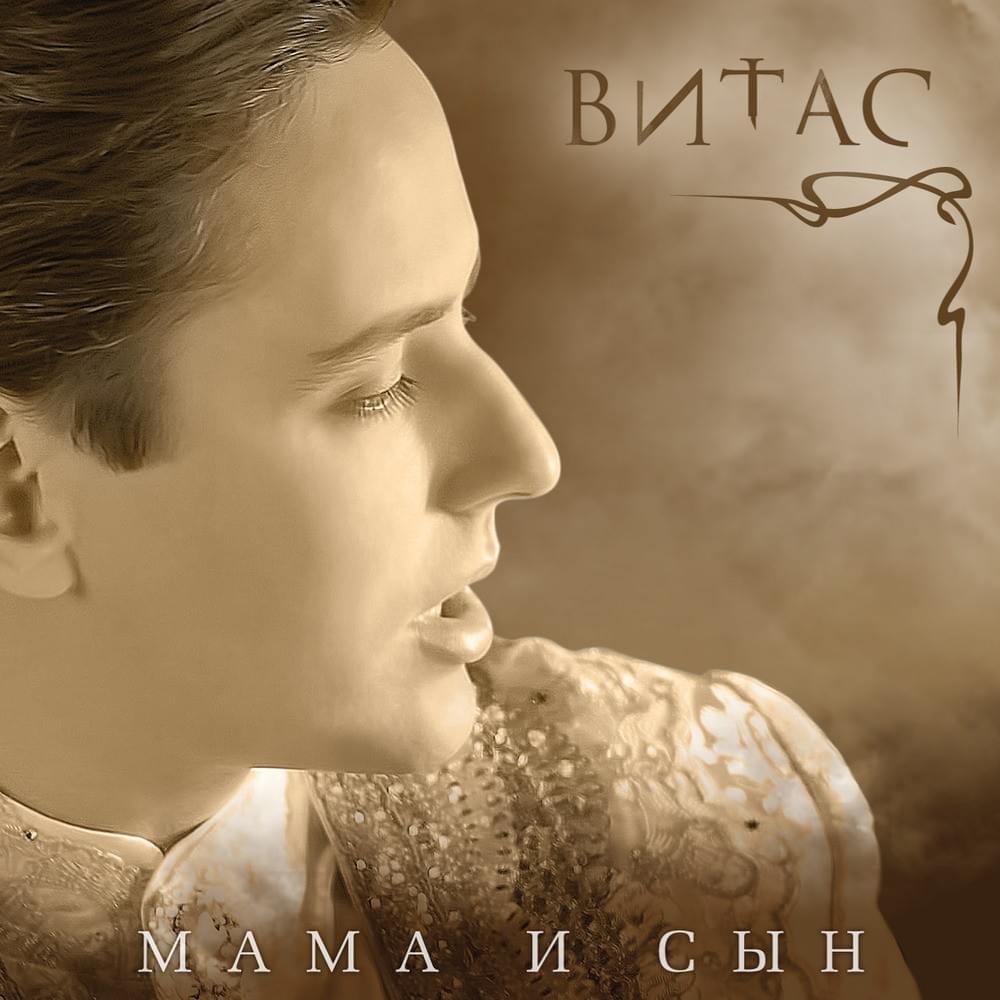
 View Artist