Song Meaning
The lyrics paint a picture of a fleeting, intense moment of connection, almost a spiritual awakening, that arrives unexpectedly. The narrator describes a "shining hour" that "lingers in my room," filled with "mad music ringing clear." This experience is intoxicating, something to be "drink[en] in," but its transient nature is immediately apparent, as it's "gone too soon." The core of the experience is captured in the simple, repeated refrain: "We cry, we sigh, Again we love." This suggests a cycle of intense emotion, perhaps tinged with both joy and sorrow, that leads to a renewed, or perhaps recurring, act of love.
The central tension lies in the contrast between the profound impact of the moment and its ephemeral quality. The narrator holds "the key" and experiences "rhapsody," yet the "moment's over but it's not the end." This implies that while the specific instance passes, its effect lingers, or the underlying drive to love persists. The imagery shifts to more abstract, sensory details like "passing shapes" and the "taste of perfume," before landing on the striking, almost surreal image of a "blue blue sea" and "sun kissed beaches, but there's no one there." This final image is particularly potent, suggesting a beautiful, idealized setting that is ultimately empty, mirroring the feeling of a profound experience that, while real, leaves a sense of isolation or unfulfilled potential.
The most compelling aspect of the writing is its use of repetition and stark emotional shifts. The simple, almost primal, refrain "We cry, We sigh, Again we love" is hammered home, emphasizing the cyclical and perhaps inevitable nature of this emotional experience. The juxtaposition of ecstatic imagery like "shining hour" and "rhapsody" with the melancholic "cry" and "sigh," and the desolate beauty of the empty beach, creates a complex emotional landscape. It's not just about love, but about the emotional toll and the beautiful, lonely spaces that profound experiences can leave behind.
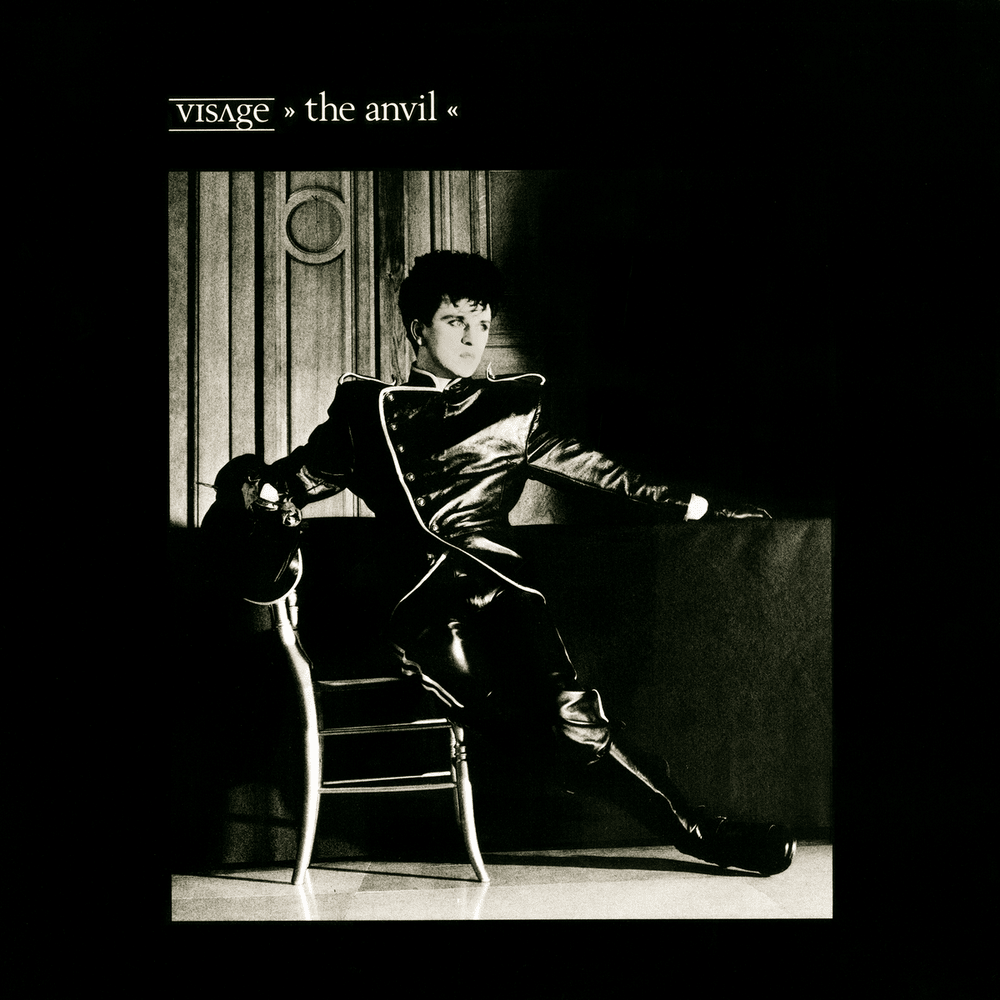
 View Artist