Song Meaning
The lyrics paint a stark picture of a violent incursion, cloaked in religious guise. It was night when they came, a darkness that mirrored the "evil and deceit" concealed beneath their outward appearance. These figures, armed with "swords" despite their "crosses," arrived with a singular, brutal purpose: to kill in the name of their God. This sets a tone of grim, almost apocalyptic conflict, where piety is weaponized.
The central tension arises from the brutal suppression of anything deemed different. "Dissimilarity is imprisoned," and the "old faith impaled on the stake," highlighting a violent eradication of diversity and established beliefs. The phrase "in the name of the cross" is repeated, underscoring the hypocrisy of using a symbol of peace to justify widespread destruction against "other people," "the truth," and ultimately, even against oneself.
The most striking aspect is the inversion of perceived morality. The "knights of good" are revealed as agents of death, "distributing death" and "spreading violence." This deliberate contradiction forces a re-evaluation of who the true villains are, suggesting that those who claim moral superiority are often the most destructive. The "tortures of liberated souls" decaying in "cells" is a particularly potent image, implying that freedom from one belief system leads only to a different kind of spiritual and physical confinement.
These lyrics are effective because they expose the dangerous potential of absolute conviction. The stark imagery and the relentless repetition of "against" build a sense of overwhelming, inescapable oppression. The narrative doesn't just describe an event; it indicts the very idea that divine mandate can justify cruelty, leaving the listener with a chilling reflection on how faith can be twisted into a tool of profound inhumanity.
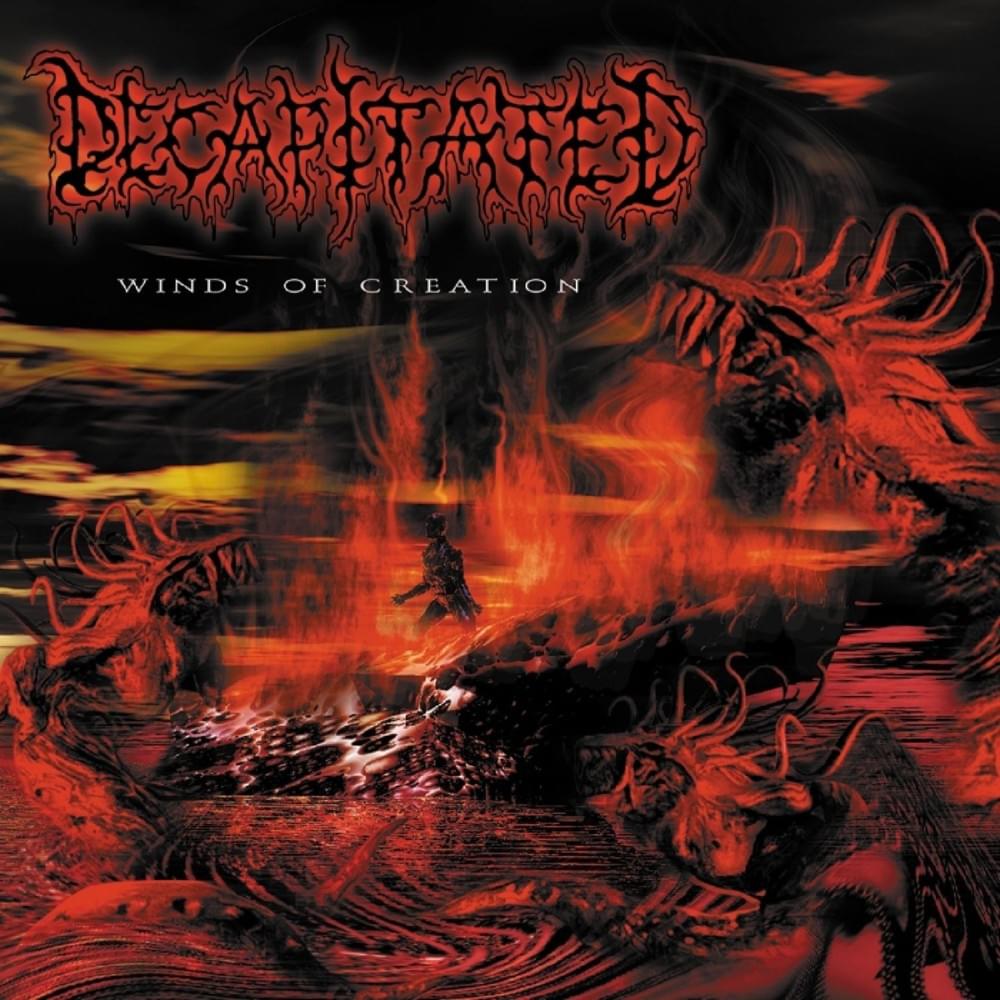
 View Artist