Song Meaning
The lyrics paint a poignant picture of someone feeling adrift and alienated in a new, unfamiliar environment, contrasting it sharply with the warmth and familiarity of home and their mother's presence. The opening lines, "Mamo, smutno tu i obco / Drzewa inne rosną / I ciszy nikt nie zna tu," immediately establish a sense of displacement and loneliness, suggesting a profound longing for a lost sense of belonging. This feeling is amplified by the narrator's admission of missing "Dziecięcych dni, moich dni," a clear indication that the current reality is a stark departure from a cherished past.
The central tension arises from the narrator's struggle to reconcile their current feelings of sadness with a desire to protect their mother from this distress. They explicitly state, "Mamo, nie myśl, że się skarżę / Żal mi tylko marzeń," attempting to downplay their own suffering while acknowledging a deep sense of regret for lost childhood dreams. This internal conflict culminates in a poignant, almost desperate, attempt to reassure their mother, "To nieprawda, Mamo / Jutro wyślę inny list / Jest dobrze, Mamo / Tak, jak miało być," creating a heartbreaking disconnect between their inner turmoil and the facade they present.
The imagery of the "stary klon" serves as a powerful anchor to these memories, described as "Ciemny i wysoki jak dym." This evocative simile connects the tree to a sense of mystery, perhaps the passage of time, or even the ephemeral nature of memory itself. The repetition of seeing the home and the mother within it, coupled with the act of calling her name, "Mamo, wołam twoje imię / Znowu jesteś przy mnie," highlights the enduring strength of this bond, even across distance or time. The final plea, "A ty, Mamo, śpij / Jeszcze noc, dobrze śpij," underscores the narrator's desire for their mother's peace, even as they grapple with their own profound sadness and the "list" they are writing, which is itself described as "Ciemny jak ta noc."
Ultimately, the effectiveness of these lyrics lies in their raw emotional honesty, masked by a veneer of reassurance. The narrator's internal monologue, revealed through the contrast between their stated feelings and their attempts to conceal them, creates a deep sense of empathy. The simple, direct address to
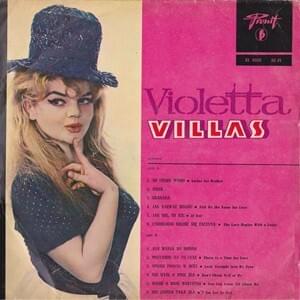
 View Artist